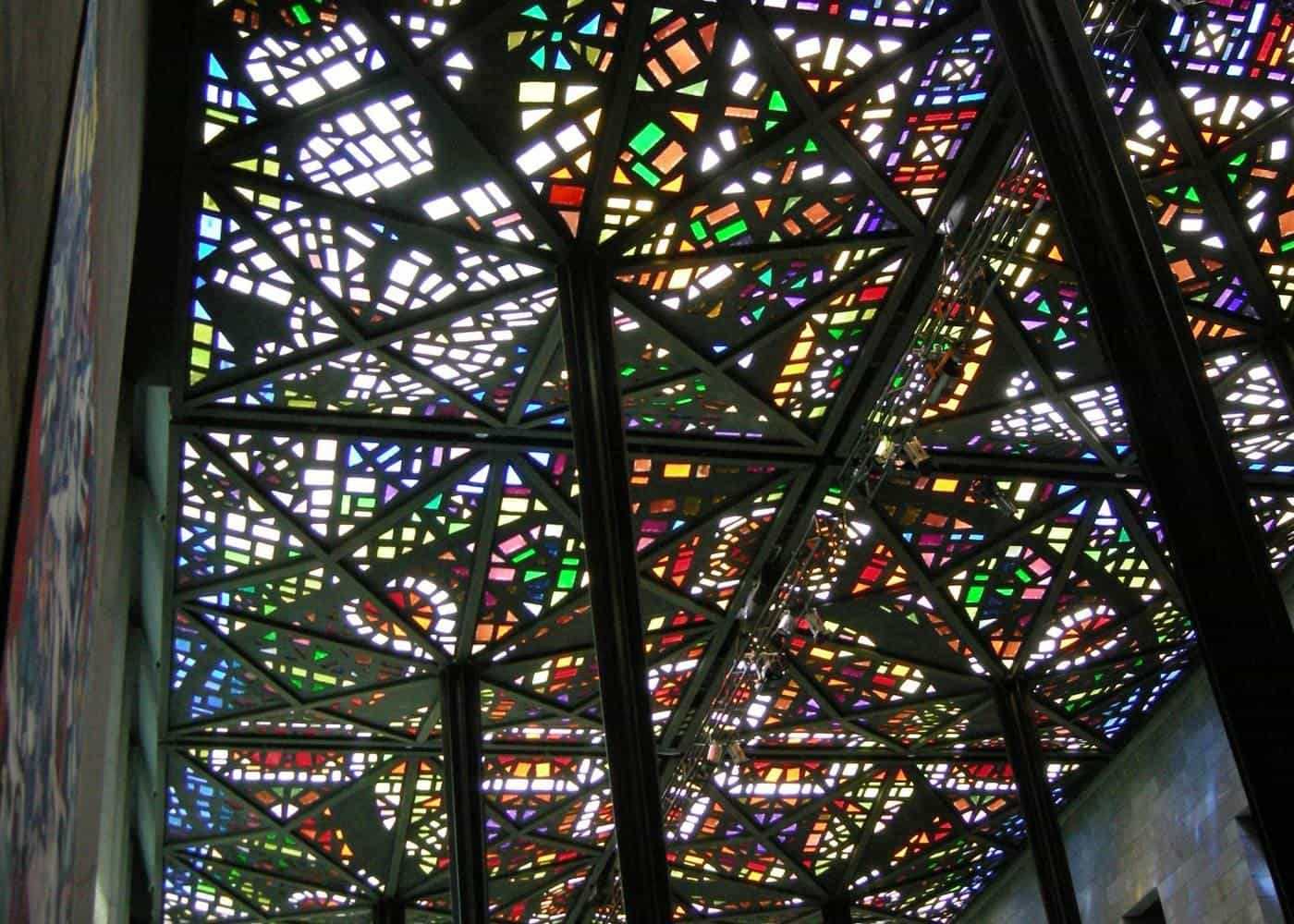
Melbourne is a gallery city. The NGV, Australia's oldest public art gallery, displays a vast collection across two sites with free entry to the collection. ACCA presents ambitious contemporary exhibitions, also free. Around them are university and council galleries, artist-run initiatives and dozens of commercial galleries, plus regional galleries within a day trip. This section helps you plan visits, make sense of contemporary art and buy work with confidence.
The guides in this section
- Visiting the NGV: NGV International and The Ian Potter Centre, free collection entry, exhibitions, children and etiquette.
- Contemporary art spaces: ACCA, university and regional galleries, artist-run initiatives and commercial galleries.
- Buying art in Melbourne: where to look, budgets, questions, paperwork, resale royalties and care.
- Buying First Nations art: the Indigenous Art Code, art centres, warning signs and your rights.
The big two
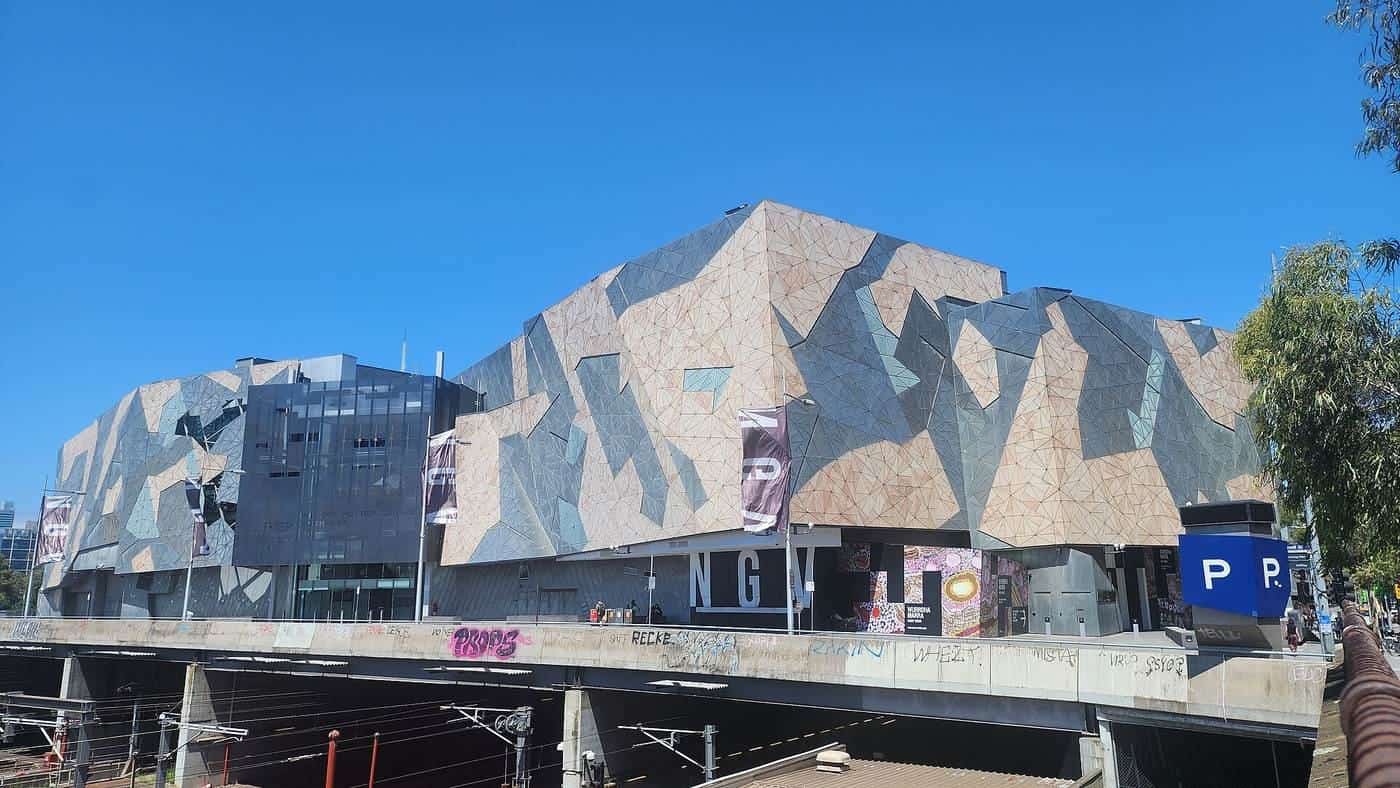
The NGV was founded in 1861 and, as the NGV says, is Australia's oldest public art gallery. NGV International on St Kilda Road shows the international collection, and The Ian Potter Centre: NGV Australia at Federation Square shows Australian art. The NGV says entry to the State Collection is free, with some exhibitions ticketed.
ACCA, the Australian Centre for Contemporary Art, in Southbank, says it was established in 1983 and moved into its purpose-built building in 2002. It's a non-collecting institution that commissions and presents contemporary art, and ACCA says entry is free.
The wider scene
Beyond the major institutions, university galleries, council galleries, artist-run initiatives and commercial galleries make Melbourne's contemporary art scene unusually rich. Most are free to visit. Artist-run spaces give emerging artists a start; commercial galleries represent established and mid-career artists. Our guide to contemporary art spaces explains how to explore them.
Visiting well
- Check opening hours and exhibitions before you go.
- Choose a focus rather than trying to see everything.
- Take breaks and come back another day.
- Follow photography rules, which vary between collection areas and exhibitions.
- Ask questions; gallery staff are usually happy to talk.
Buying art
Buying original art is more accessible than many people think. Graduate shows, artist-run spaces and print fairs offer affordable work. Wherever you buy, get a detailed invoice, ask about materials, editions and care, and understand the return policy. Australia's Resale Royalty Scheme gives eligible artists 5% when their work is commercially resold for $1,000 or more, including GST. Our guide to buying art in Melbourne walks you through it.
Buying First Nations art ethically
The Indigenous Art Code recommends buying from Code signatories, Indigenous-owned art centres or directly from artists. Ask who made the work, where and how the artist was paid. Be wary of "Aboriginal style" products without a named artist. Our guide to buying First Nations art explains how to buy with confidence.
Gallery etiquette in brief
- Don't touch artworks unless invited.
- Keep a respectful distance and watch your bag.
- Follow photography rules; flash is usually not allowed.
- Keep voices down in quiet spaces.
Planning a gallery day
A good gallery day in Melbourne might start at The Ian Potter Centre at Federation Square, cross Princes Bridge to NGV International, then continue to ACCA in Southbank, all within walking distance. Add a commercial gallery or two in the afternoon, or finish at an opening night. Our art day planner can turn your choices into a simple timetable, and our self-guided art walks suggest routes.
Visiting with children
Galleries can be great for children if visits are short and active. Let them choose favourite works, look for colours or animals, bring a small sketchbook and take breaks. The NGV often runs family programs and kids' spaces linked to major exhibitions, and many contemporary spaces welcome families too.
Regional galleries
If you have more time, Victoria's regional galleries, in cities such as Ballarat, Bendigo and Geelong, hold important collections and stage major exhibitions. They make an easy day trip from Melbourne by car or train.
Accessibility
Major galleries publish accessibility information on their websites, covering lifts, wheelchairs, seating, quiet times and assistance animals. Smaller spaces vary, especially artist-run initiatives in older buildings, so check ahead or contact the gallery.
Staying up to date
Exhibitions change constantly. Sign up to newsletters from galleries you enjoy, follow them on social media and check listings before you go. Many galleries post opening nights, talks and events well in advance.
Opening nights
Openings are free, social and open to anyone. They're a great way to meet artists and see new work, and you don't need to buy anything. Check gallery websites and social media for dates, and come back later to see the show quietly.
Buying responsibly
Wherever you buy, ask questions, get a detailed invoice and check the return policy. If a seller can't answer basic questions about who made a work and how it was made, take your time. Consumer law protects you from misleading claims about artworks.
Where to go next
Our art history section gives the background to what you'll see in the galleries, and our public art section covers street art, sculpture and self-guided walks.
About these guides
Melbourne Art Network is independent. We don't sell, value or rank artworks, and we aren't affiliated with any gallery, museum or dealer.
Guides in this section
Galleries
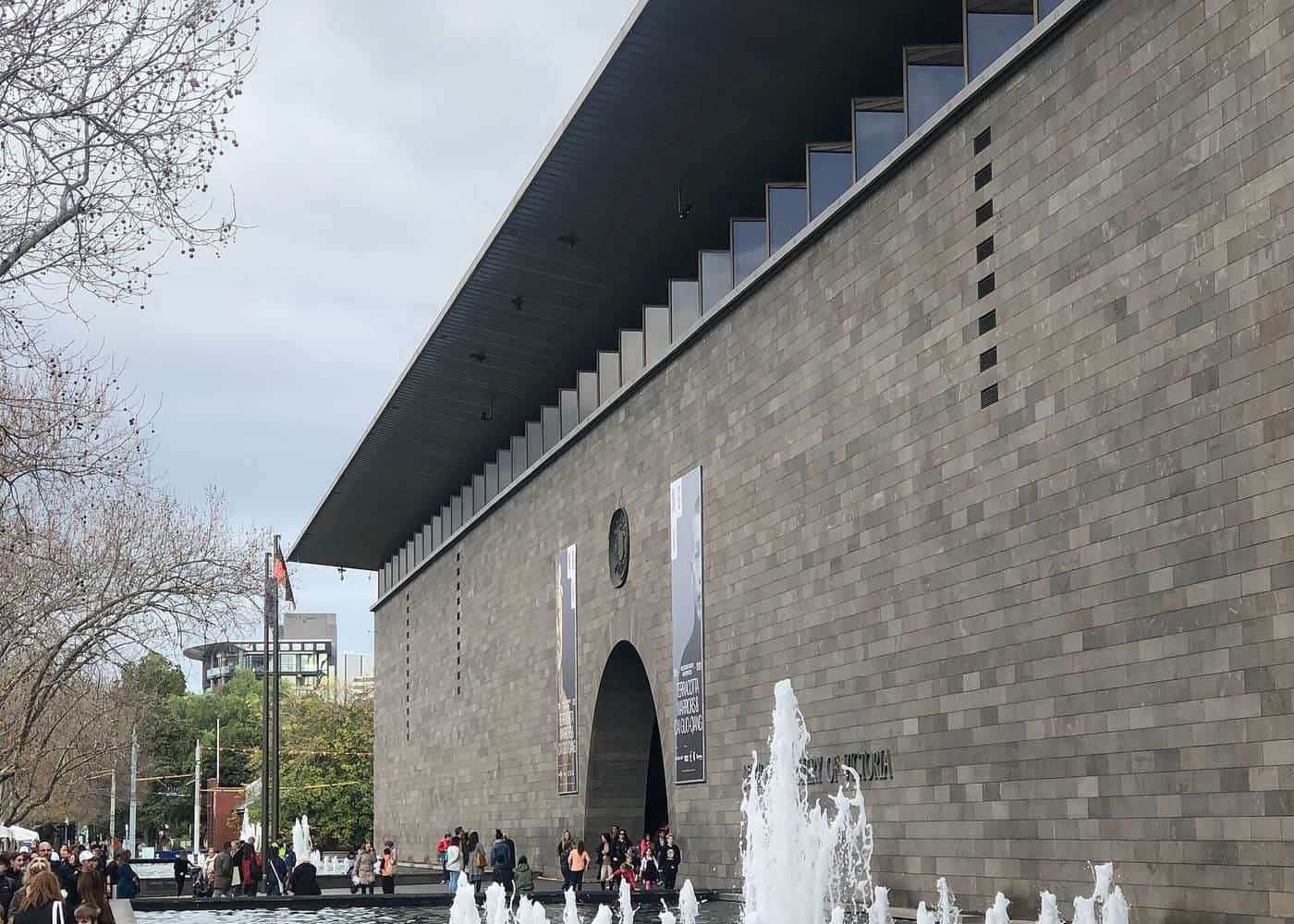
Visiting the NGV
How to plan a visit to the National Gallery of Victoria: NGV International and The Ian Potter Centre, free collection entry, exhibitions and tips.
Read · 6 min
Galleries
Contemporary art spaces
A guide to contemporary art spaces in Melbourne: ACCA, university and regional galleries, artist-run initiatives and commercial galleries.
Read · 6 min
Galleries
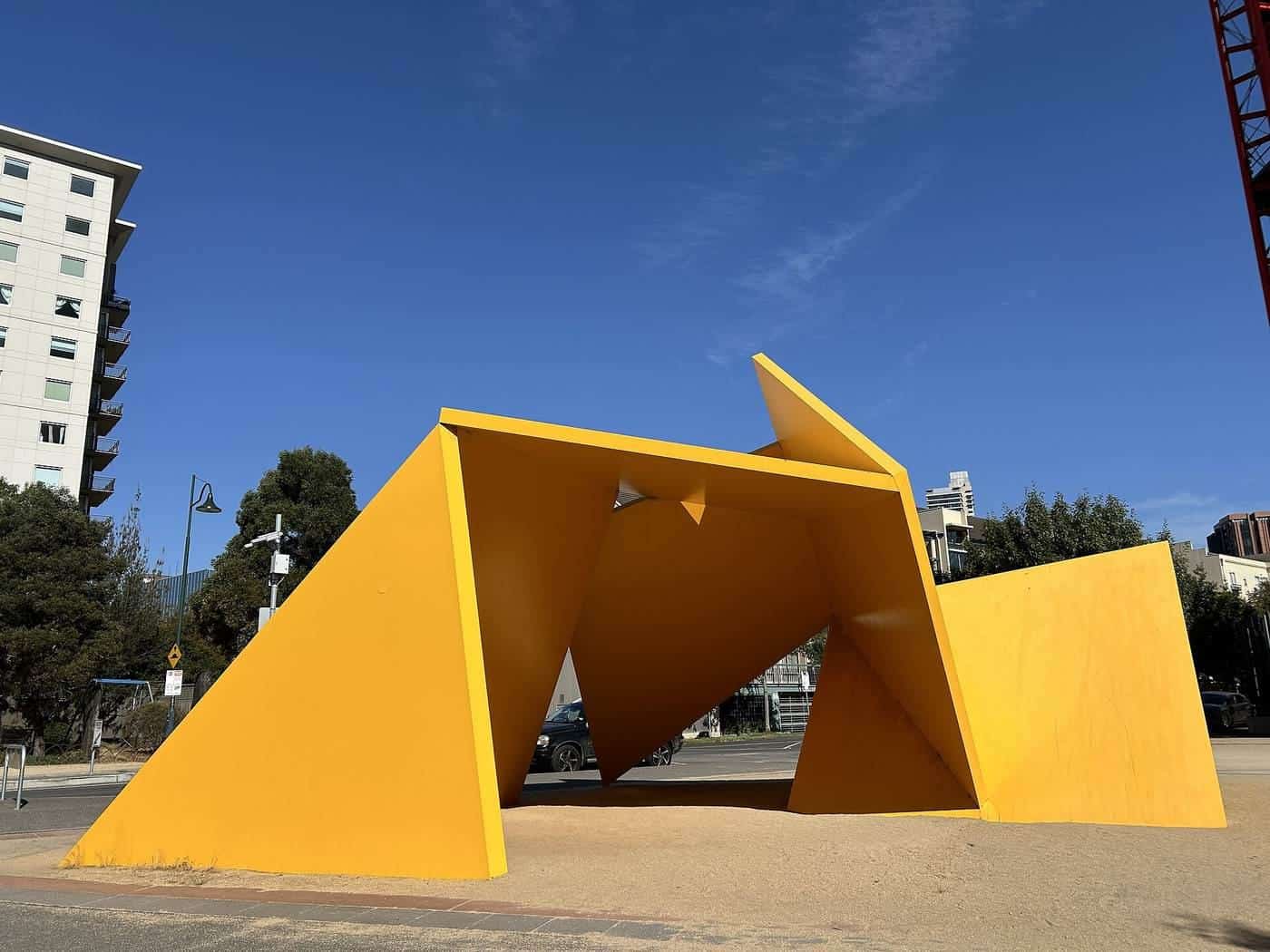
Buying art in Melbourne
How to buy art in Melbourne with confidence: where to look, setting a budget, asking the right questions, resale royalties, care and your rights.
Read · 5 min
Galleries
Buying First Nations art
How to buy authentic First Nations art ethically: Indigenous Art Code signatories, art centres, questions to ask, warning signs and your rights.
Read · 5 min
Frequently asked questions
Which Melbourne galleries are free?
The NGV says entry to its State Collection is free, and ACCA says its gallery entry is free. Many university, council, artist-run and commercial galleries are free too.
Where should I start?
For Australian art, The Ian Potter Centre: NGV Australia; for international art, NGV International; for contemporary art, ACCA.
How do I buy art ethically?
Get a detailed invoice, ask about the artist and materials, and for First Nations art buy from Indigenous Art Code signatories, art centres or artists directly.
What is the resale royalty?
Eligible artists receive 5% when their work is commercially resold for $1,000 or more, including GST.
Sources and further reading
Facts on this page were checked against these primary and official sources. Conditions change — confirm before you travel or buy.
- About the NGV — National Gallery of Victoria
- About ACCA — Australian Centre for Contemporary Art
- Resale Royalty Scheme — Office for the Arts (Australian Government)
- Indigenous Art Code FAQs — Indigenous Art Code