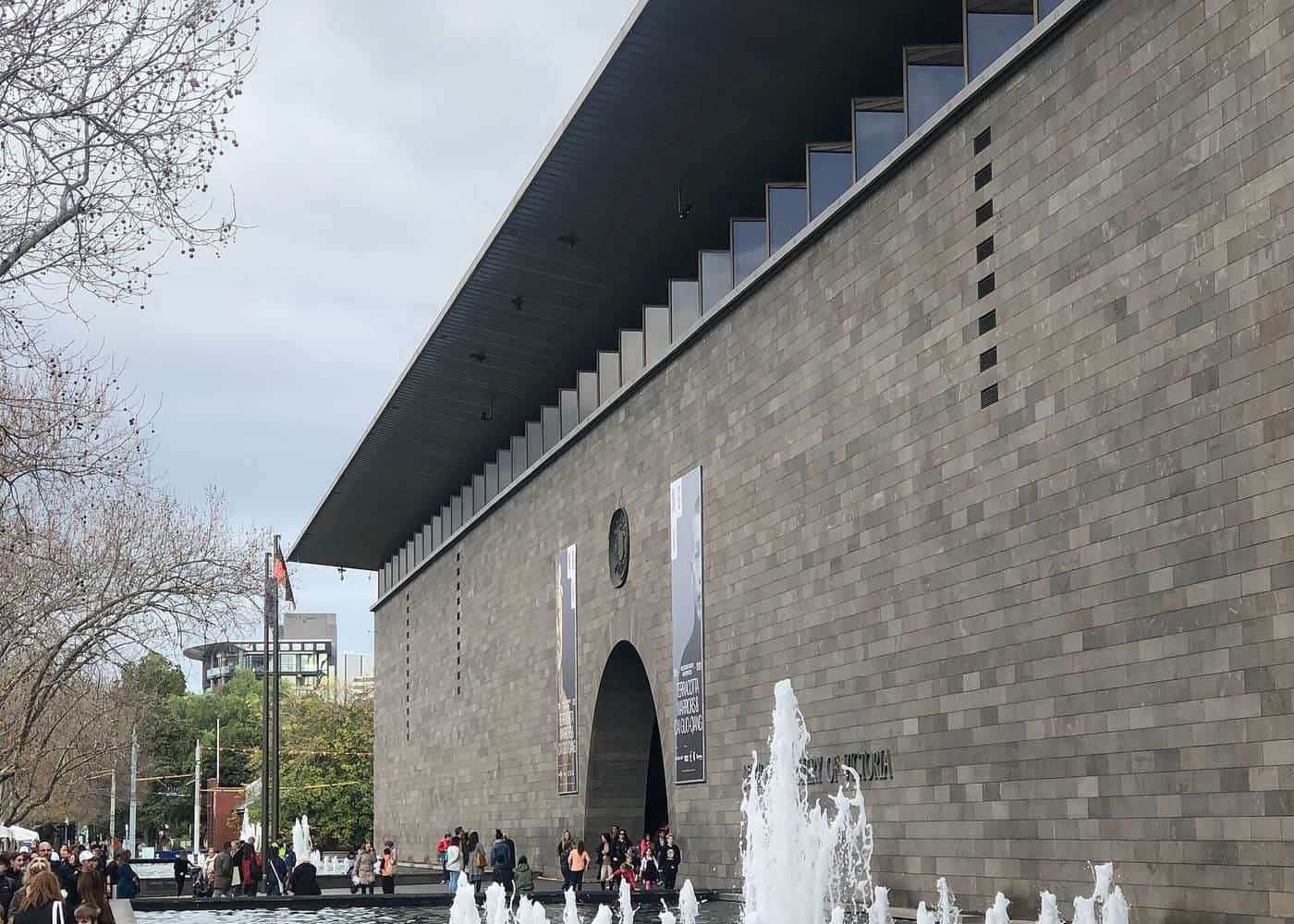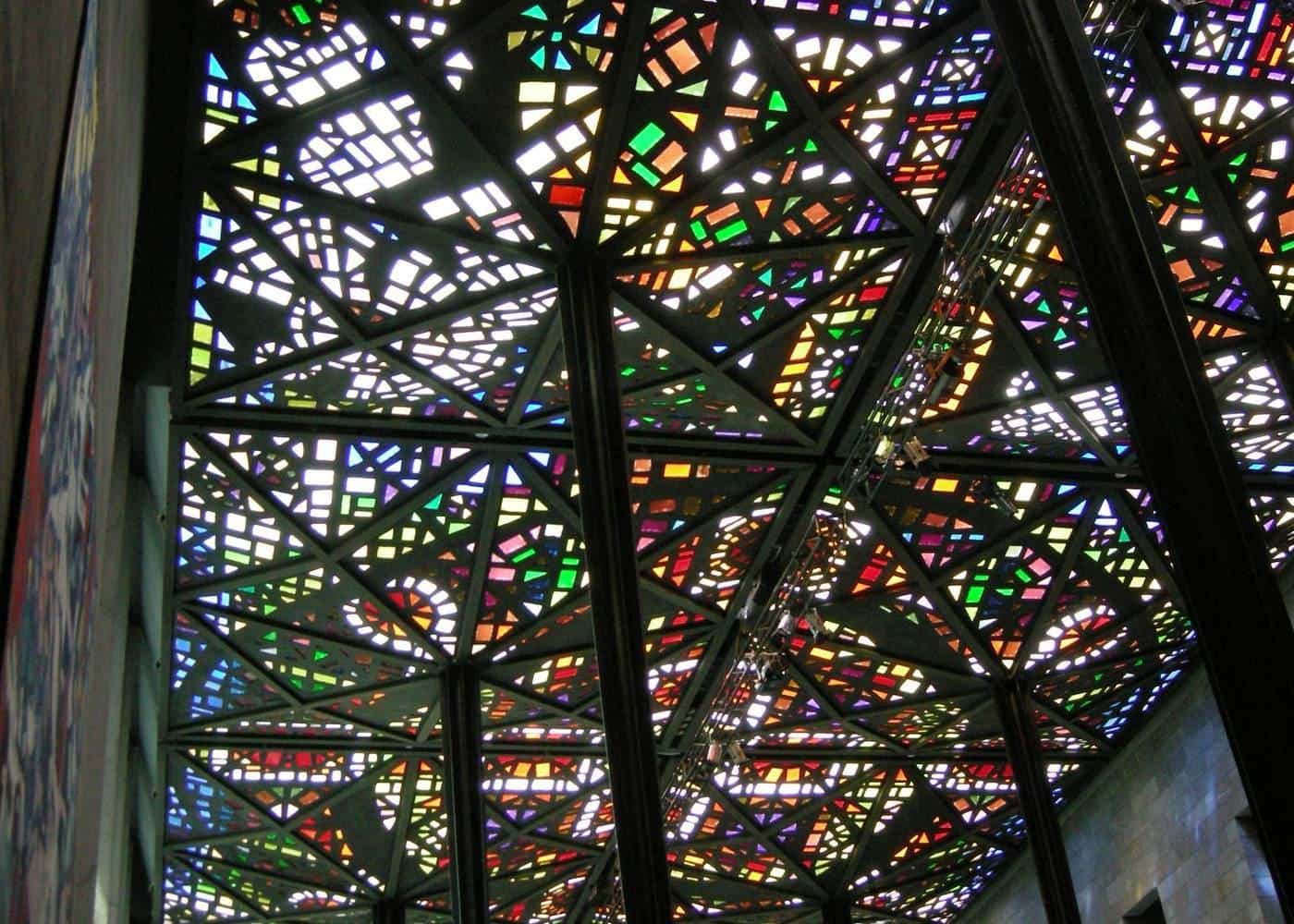
Melbourne has one of Australia's liveliest contemporary art scenes. Beyond the big state gallery, there's a network of spaces showing new and experimental work: a major contemporary art centre, university galleries, council and regional galleries, artist-run initiatives and dozens of commercial galleries. Many are free to visit. This guide explains the different kinds of spaces and how to explore them.
1983
ACCA established
Southbank building from 2002
Free
ACCA entry
Always free, ACCA says
Non-collecting
ACCA model
Commissions and presents work
ACCA
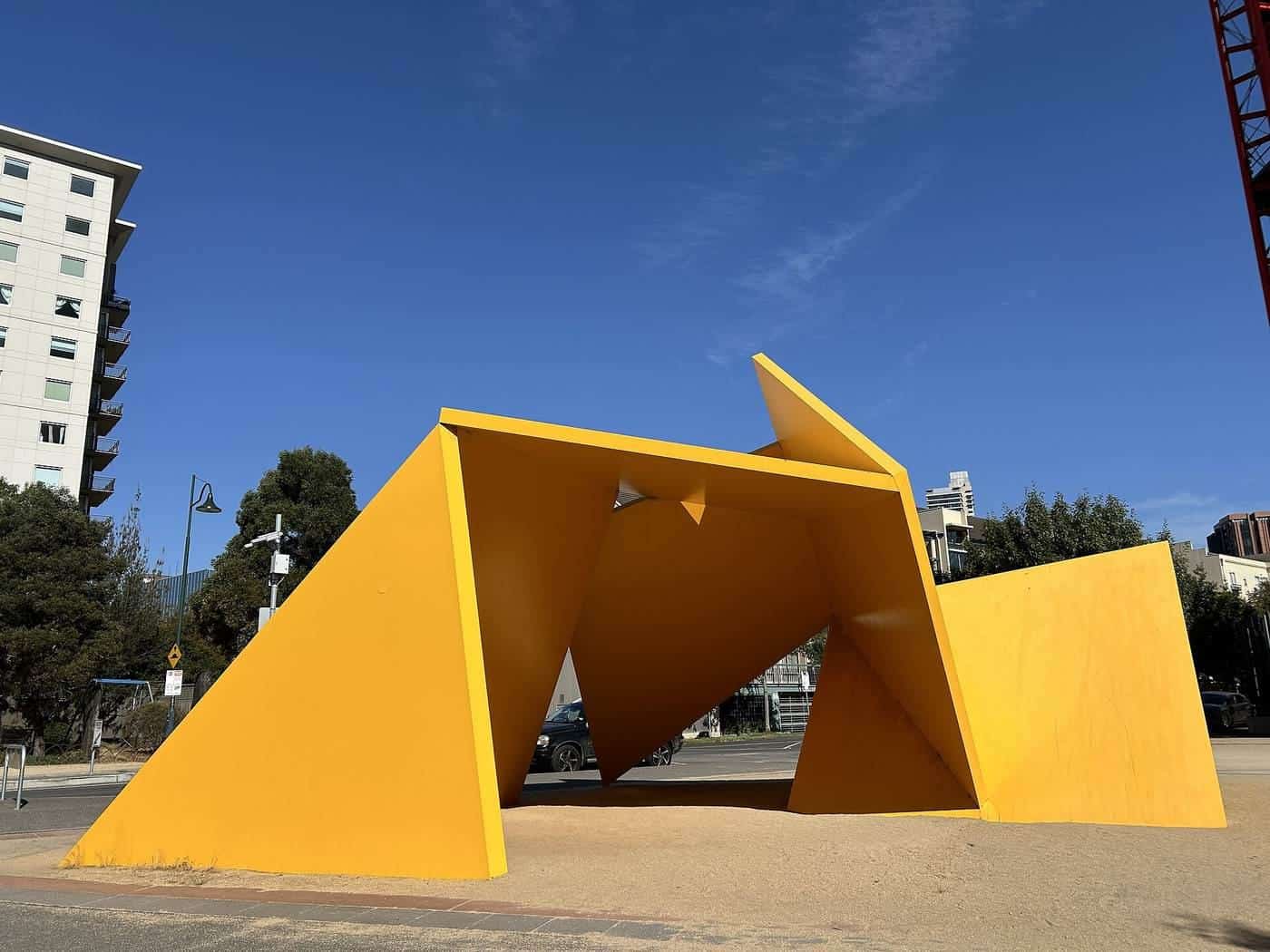
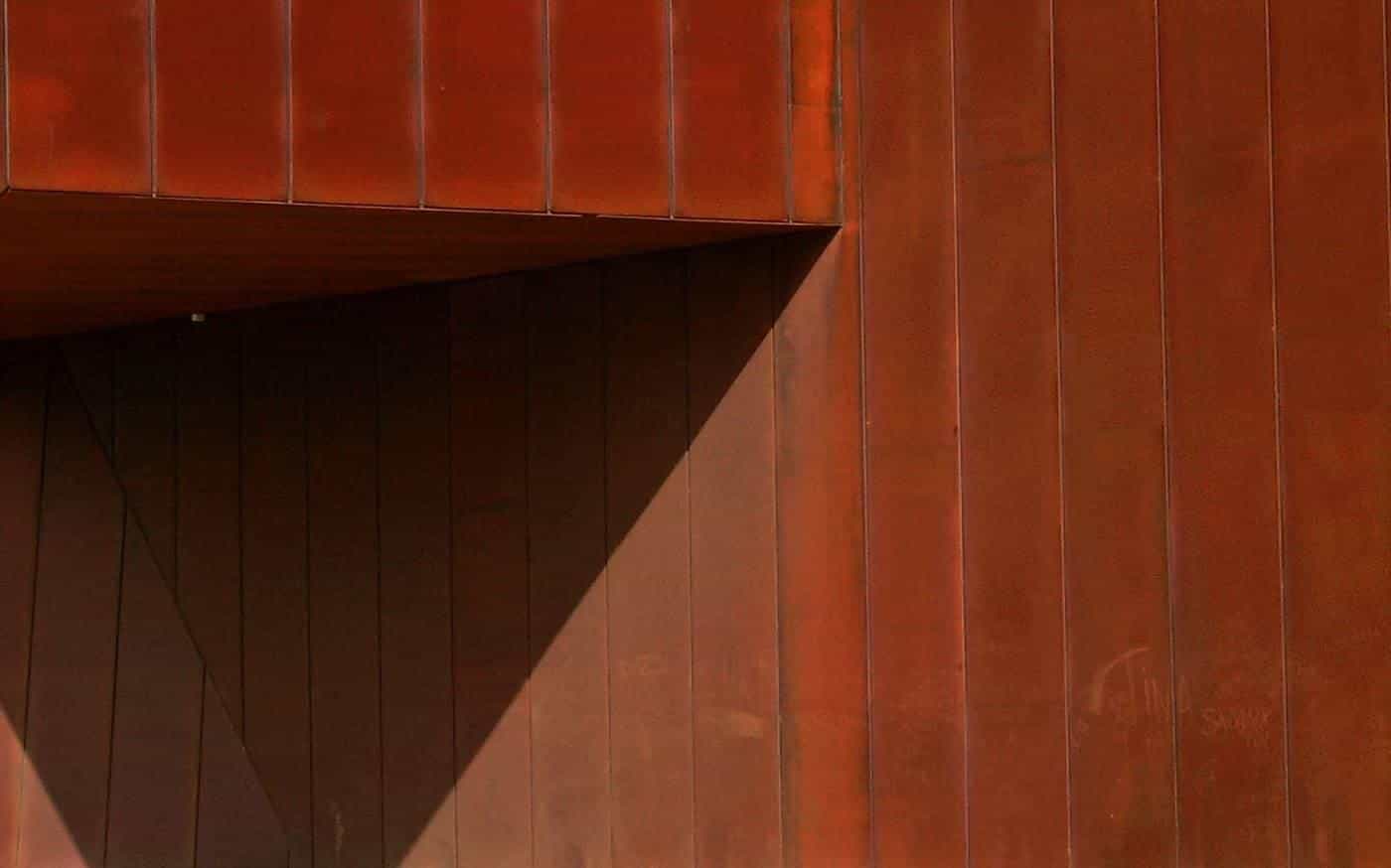
The Australian Centre for Contemporary Art, at 111 Sturt Street in Southbank, is one of Australia's leading contemporary art institutions. ACCA says it was established in 1983 and moved in 2002 into its purpose-built building, known for its rusted steel exterior. ACCA describes itself as a non-collecting institution, operating like a European kunsthalle: rather than holding a permanent collection, it commissions new work and presents exhibitions. Its program typically includes Australian and international artists, often with large-scale new commissions.
ACCA says gallery entry is free. It's a short walk from the NGV and the Arts Centre, so it fits easily into an art day. Check the website for current exhibitions, opening hours and talks.
University galleries
Melbourne's universities run galleries that present contemporary art, historical collections and research-led exhibitions. They're often free, uncrowded and adventurous. Many are on or near campuses in the city and inner suburbs. Check each university's website for current shows.
Council and regional galleries
Local councils across Melbourne operate galleries and arts centres, presenting local and touring exhibitions. Further afield, Victoria's regional galleries in cities such as Ballarat, Bendigo and Geelong hold significant collections and present major exhibitions. They make a good day trip.
Artist-run initiatives
Artist-run initiatives, often called ARIs, are galleries run by artists, usually on a voluntary or not-for-profit basis. They give emerging and experimental artists a place to show work and are an important part of the scene. They tend to be small, informal and free, sometimes in upstairs rooms or warehouses, with exhibitions that change every few weeks. Opening nights are often social events where anyone is welcome.
To find them, look at arts listings, follow spaces on social media and ask at other galleries. Opening hours can be limited, so check before you go.
Commercial galleries
Commercial galleries represent artists and sell their work. They're free to visit, and you don't need to be a buyer to walk in. Clusters of galleries in inner suburbs make it easy to visit several in an afternoon. Staff are usually happy to talk about the work, and exhibitions change regularly. Our guide to buying art in Melbourne covers what to know if you do want to buy.
Festivals and events
Melbourne hosts art fairs, biennials and festivals that bring together galleries and artists. The NGV Triennial and major arts festivals often include contemporary visual art. Dates and formats change, so check current listings.
How to explore
- Plan a cluster. Group galleries by suburb and visit several on foot.
- Go to openings. They're free, social and a good way to meet artists.
- Ask questions. Gallery staff and artists generally enjoy talking about the work.
- Sign up to newsletters from spaces you like.
- Keep an open mind. Contemporary art can be puzzling. Read the room sheet or artist statement, look again, and decide what you think.
Reading contemporary art
Contemporary art can include installation, video, performance, sound, sculpture, painting and digital work, sometimes all at once. Some tips:
- read the exhibition text, but don't let it tell you what to think;
- notice materials, scale and how the work uses space;
- think about what questions the work raises, not just what it means;
- spend time; video and installation works often need minutes, not seconds.
Making the most of an opening night
Opening nights are one of the best ways into Melbourne's art scene. They're usually free, open to anyone, and full of artists, gallery staff and art lovers. Some tips:
- check the time and whether you need to RSVP; most don't require it, but some do;
- arrive early if you want to see the work before it gets crowded;
- say hello to the artist and ask about the work; they usually appreciate it;
- don't feel you need to buy, although if you love something, ask about availability;
- come back another day to see the show quietly.
A gallery-hopping afternoon
Many galleries cluster in inner suburbs, making it easy to see several shows in an afternoon. Choose an area, check which galleries are open, map a walking route and allow twenty to forty minutes per gallery. Leave time for coffee and conversation. Gallery hours vary, and many commercial galleries and artist-run spaces are closed on Mondays and sometimes Tuesdays, so check before you set out.
Regional galleries as a day trip
Victoria's regional galleries are worth the trip. Galleries in cities such as Ballarat, Bendigo and Geelong hold significant historical and contemporary collections and stage major exhibitions. Combine a gallery visit with lunch and a look around the town. Check exhibition dates and opening hours, and whether any shows are ticketed.
Moving image, sound and performance
Contemporary art spaces often show work that isn't hanging on a wall: video projections, sound installations, live performance and participatory work. These can take time. Check the duration of video works, which is often listed on the room sheet, and consider sitting through a full loop. Performance works may happen at set times, so check the schedule.
Accessibility and comfort
Many contemporary spaces provide seating, room sheets in large print, and access information on their websites. Some small artist-run spaces are in older buildings with stairs and limited access. If you have access needs, check before visiting or contact the space; most are happy to help.
Supporting the scene
If you enjoy Melbourne's contemporary art, you can support it by visiting regularly, attending talks, buying work when you can, becoming a member or donor of a not-for-profit space, and sharing exhibitions you like. Artist-run initiatives in particular rely on community support.
Talks, tours and public programs
Many contemporary spaces run artist talks, curator tours, panel discussions, workshops and reading groups alongside exhibitions. They're often free or low cost and are one of the best ways to understand new work. ACCA, university galleries and many artist-run spaces publish their programs online. Sign up for newsletters to hear about events before they book out.
Where to find listings
Exhibition listings are spread across gallery websites, social media, arts organisations and local media. A practical approach is to follow a handful of galleries you like, check their programs monthly and note openings in your calendar. Ask gallery staff what else is worth seeing; they usually know what's on nearby.
Etiquette in small spaces
Artist-run and commercial spaces are often small. Speak quietly if others are looking, sign the visitor book if there is one, and take a room sheet. If the artist or gallery sitter is there, a simple hello and a question about the work is always welcome.
Key points
- ACCA in Southbank was established in 1983, moved to its current building in 2002 and is free to visit.
- University, council and regional galleries offer adventurous and often free exhibitions.
- Artist-run initiatives support emerging artists; check opening hours before visiting.
- Commercial galleries are free to enter, and you don't need to buy.
- Plan clusters, attend openings and keep an open mind.
Frequently asked questions
What is ACCA?
The Australian Centre for Contemporary Art in Southbank. It was established in 1983 and moved into its purpose-built building in 2002. It doesn’t hold a permanent collection; it commissions and presents exhibitions.
Is ACCA free?
ACCA says gallery entry is free.
What is an artist-run initiative?
A gallery or space run by artists, often volunteers, to show experimental work and support emerging artists. They are usually small and free to visit.
Can I just walk into a commercial gallery?
Yes. Commercial galleries are free to enter and you don’t need to buy anything. Staff are usually happy to talk about the work.
How do I find out what’s on?
Check gallery websites and social media, sign up to newsletters and look for listings from arts organisations and local media.
Sources and further reading
Facts on this page were checked against these primary and official sources. Conditions change — confirm before you travel or buy.
- About ACCA — Australian Centre for Contemporary Art
- Visit ACCA — Australian Centre for Contemporary Art
- About the NGV — National Gallery of Victoria