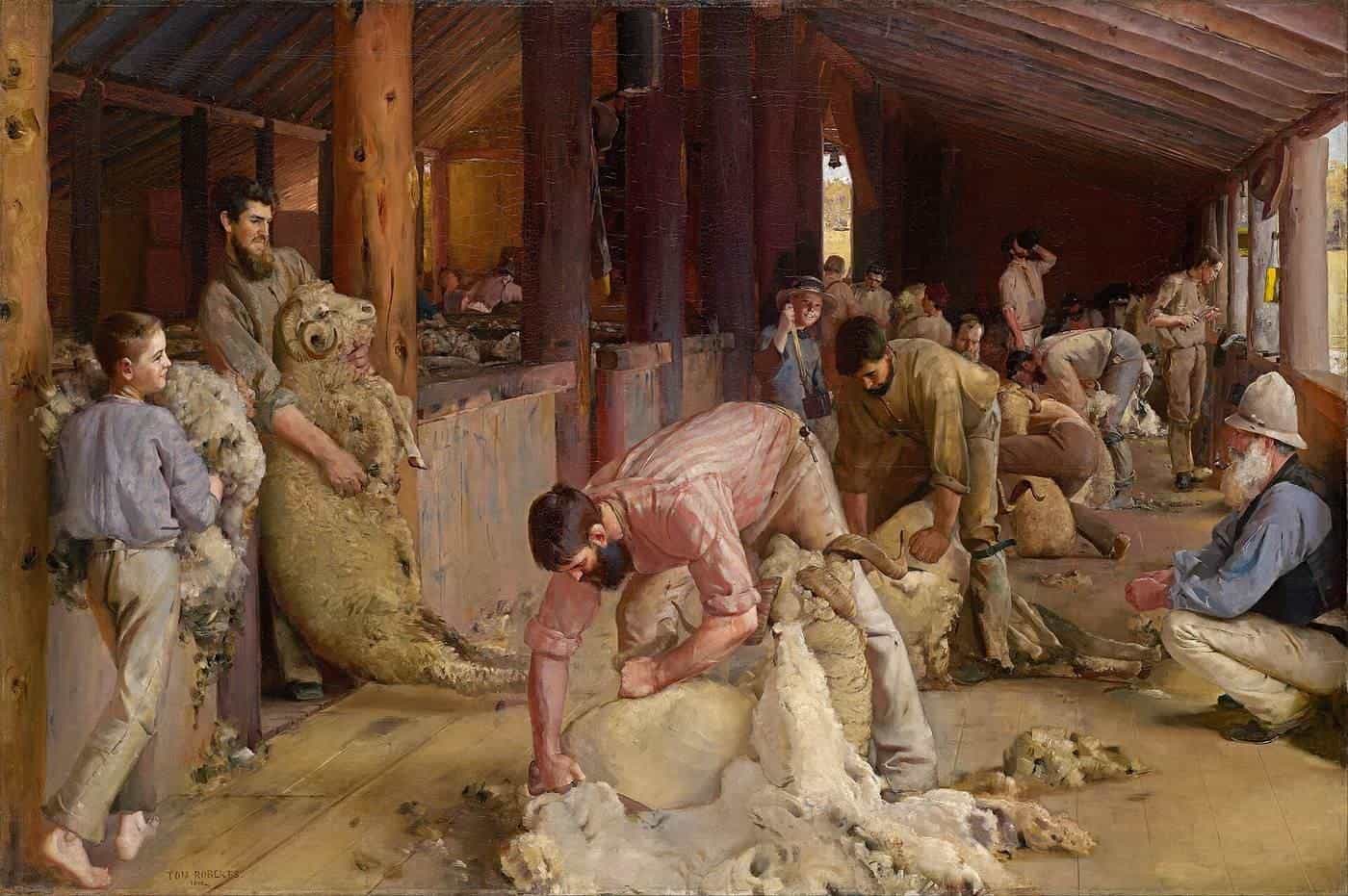
Melbourne's art history is a story of places as much as people: a museum of art in a public library, painting camps in paddocks and by the bay, a farmhouse on the Yarra that became a centre for modernism, a rust-red contemporary art centre and laneways covered in paint. Underneath it all is a much older story, of the Kulin Nations, on whose lands the city stands, and whose art and culture go back tens of thousands of years. The guides in this section introduce these stories and tell you where to see their legacy today.
The guides in this section
- The Heidelberg School: the plein-air painters of the late 1880s, the 1889 9 by 5 Impression Exhibition and where to see their work.
- Heide and modern art: John and Sunday Reed's property in Bulleen, the artists of the Heide circle and visiting the museum today.
- First Peoples art in Melbourne: where to see and learn about First Peoples art and culture, and how to engage respectfully.
- A Melbourne art timeline: key moments from the NGV's founding in 1861 to laneway street art.
A city built on gold and ambition
The gold rushes of the 1850s made Melbourne one of the richest cities in the world, and its leaders wanted the cultural institutions to match. The NGV says it was founded in 1861 and is Australia's oldest public art gallery. It began as a museum of art at the Melbourne Public Library, and an art school grew alongside it, training generations of artists.
The Heidelberg School
In the late 1880s, young artists including Tom Roberts, Arthur Streeton, Charles Conder and Frederick McCubbin painted outdoors at camps around Melbourne. The NGV describes the 9 by 5 Impression Exhibition, which opened on 17 August 1889 with 183 small works, as a landmark. Their sunlit landscapes and scenes of rural work became some of the best-loved images in Australian art, and the NGV calls the movement the first truly Australian art movement. Our guide to the Heidelberg School explains more.
Modernism and Heide
From the 1930s, the property of John and Sunday Reed in Bulleen, known as Heide, became a meeting place for artists exploring modernism, surrealism and expressionism, including Sidney Nolan, Albert Tucker and Joy Hester. Heide's history explains that it opened as a public museum in November 1981. Our guide to Heide and modern art tells the story.
First Peoples art
First Peoples art and culture in the Melbourne region long predate any of these institutions. Bunjilaka, the Aboriginal cultural centre at Melbourne Museum, and the NGV's First Nations collections are good places to start learning. Our guide to First Peoples art in Melbourne suggests where to go and how to engage respectfully.
Reading history critically
Art history isn't neutral. The celebrated landscapes of the Heidelberg School show Country with its First Peoples almost entirely absent. Colonial statues and memorials reflect who was honoured and who was left out. Modernists fought censorship and conservatism. Reading these stories critically doesn't take away from the art; it helps you see it more fully.
Seeing history in the city
Much of Melbourne's art history can be seen in a day or two:
- State Library Victoria, the NGV's first home;
- The Ian Potter Centre: NGV Australia, for Australian art from First Nations works to the Heidelberg School and modernism;
- NGV International, for the international collection;
- Heide, in Bulleen, for modernism, gardens and sculpture;
- Bunjilaka at Melbourne Museum, for First Peoples culture and history.
Our art day planner can help you build a timetable.
Where to learn more
If you want to go deeper, the NGV's essays and collection pages, Heide's history pages, Museums Victoria's Bunjilaka pages and the National Museum of Australia's Defining Moments project are good, reliable starting points. Exhibition catalogues and talks at galleries often add detail you won't find online.
History for visitors with limited time
If you only have a morning, head to The Ian Potter Centre: NGV Australia at Federation Square. Its displays move from First Nations art through colonial painting and the Heidelberg School to modernism and contemporary art, giving you a fast, rich overview of the stories in these guides.
History on the street
Some of Melbourne's history is visible outdoors too: colonial statues and memorials, heritage buildings and public artworks commemorating people and events. Our guide to the public art collection explains how to find out about them.
Questions to bring
As you explore, ask: who made this, for whom, and what was left out? Those questions turn a gallery visit into a conversation with history.
Where to go next
Our galleries section helps you plan visits to the NGV and contemporary spaces and explains how to buy art ethically, and our public art section covers street art, sculpture and self-guided walks.
About these guides
Melbourne Art Network is independent. We aren't affiliated with any gallery, museum or council, and we rely on authoritative sources such as the NGV, Heide, Museums Victoria and the National Museum of Australia, listed on each page.
Guides in this section
Art history
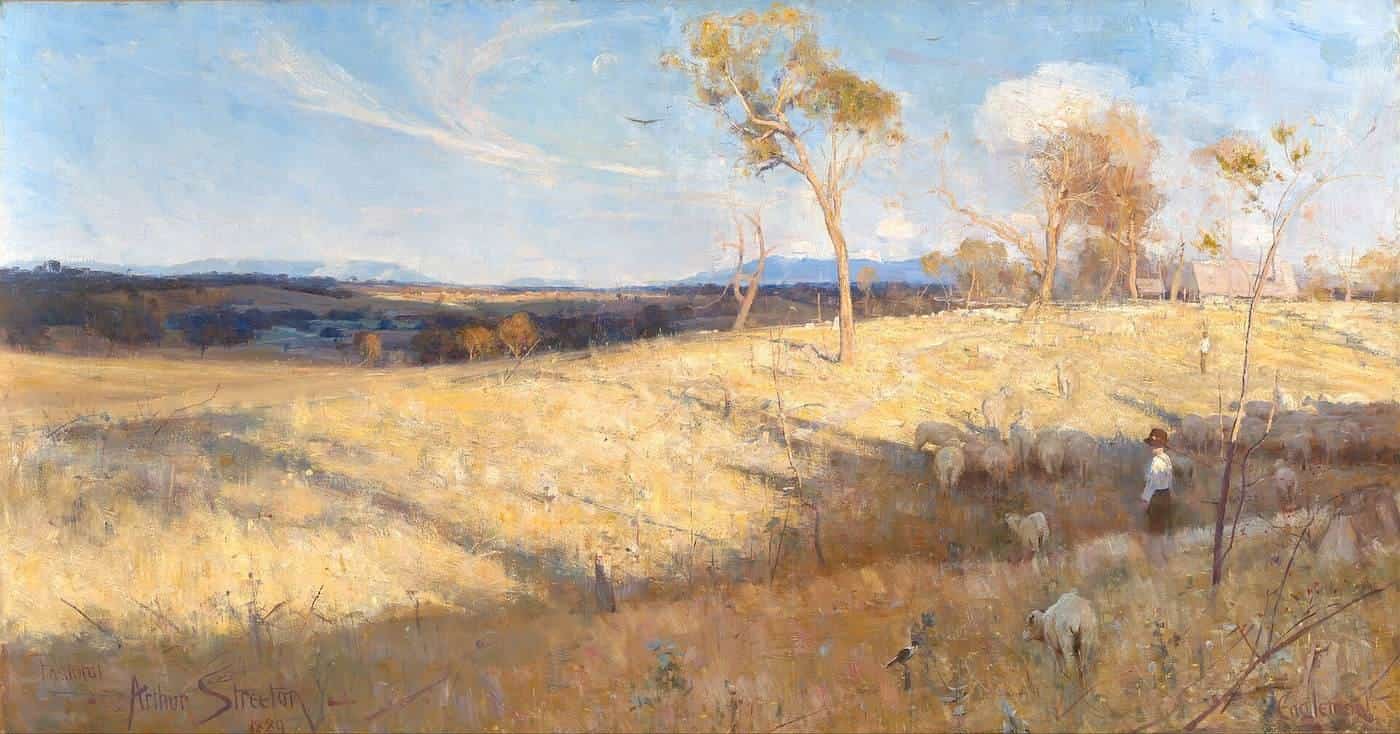
The Heidelberg School
A guide to the Heidelberg School: the artists’ camps around Melbourne, the 1889 9 by 5 exhibition, key paintings and where to see them today.
Read · 5 min
Art history
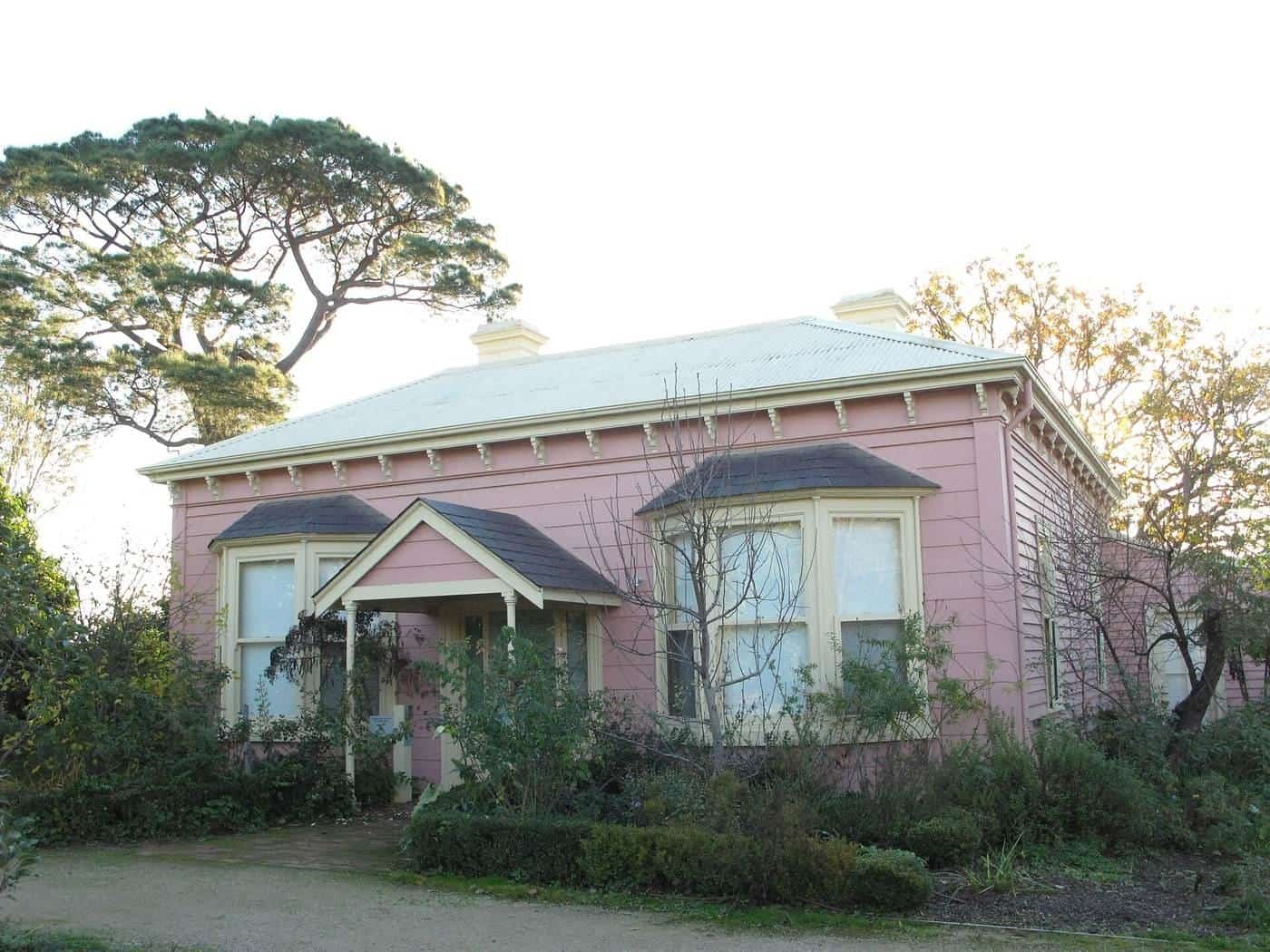
Heide and modern art
The story of Heide, from John and Sunday Reed’s farmhouse to a public museum of modern art, and how to plan a visit to Bulleen today.
Read · 5 min
Art history
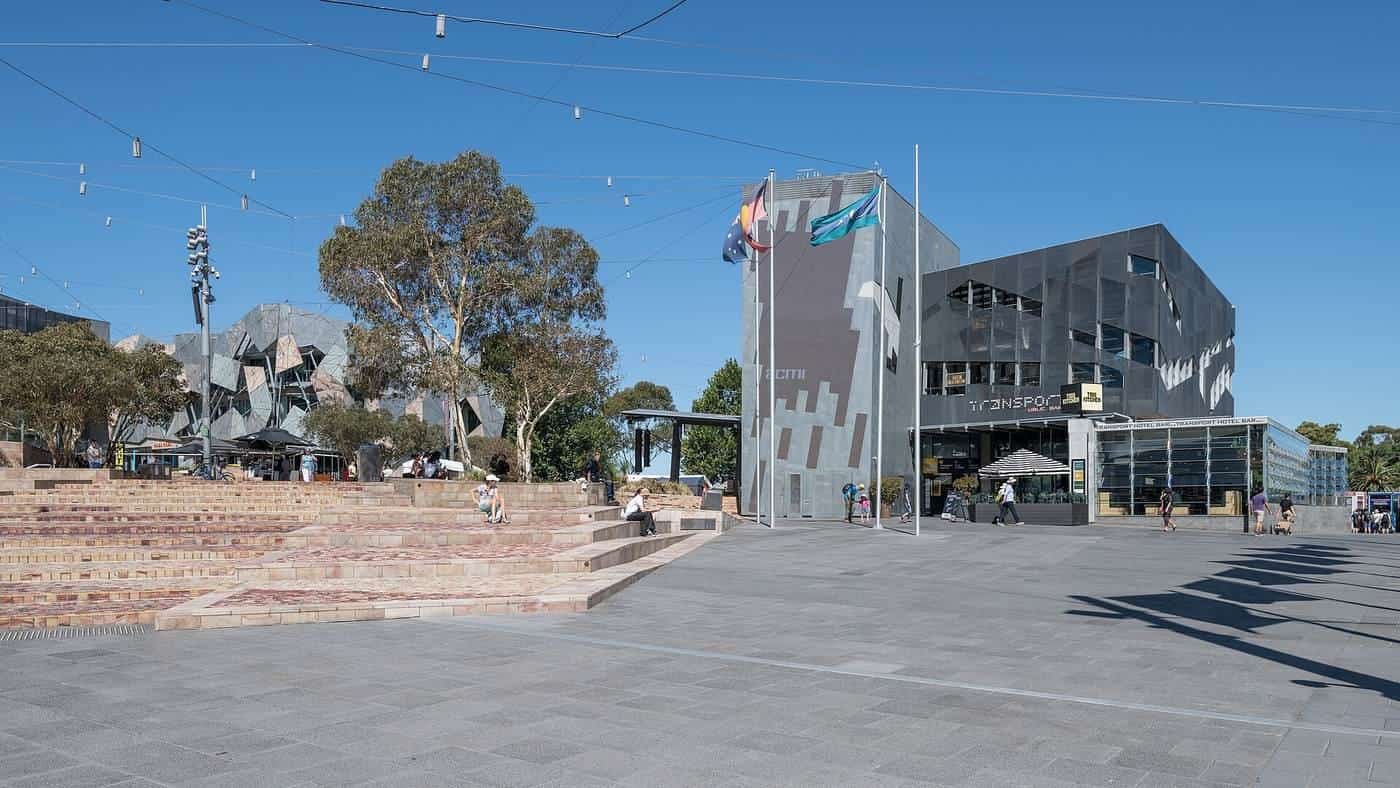
First Peoples art in Melbourne
Where to see and learn about First Peoples art and culture in Melbourne, from Bunjilaka to the NGV, and how to engage respectfully.
Read · 5 min
Art history
A Melbourne art timeline
Key moments in Melbourne art history, from the NGV’s founding in 1861 and the 9 by 5 exhibition to Heide, ACCA and laneway street art.
Read · 5 min
Frequently asked questions
Where should I start with Melbourne art history?
Our timeline gives an overview, and the Heidelberg School and Heide guides cover two of the city’s best-known chapters.
Where can I see historic Australian art in Melbourne?
The Ian Potter Centre: NGV Australia at Federation Square displays Australian art from the NGV collection, with free entry to the collection.
Is First Peoples art part of Melbourne’s art history?
Yes, and it’s by far the longest part. Melbourne is on the lands of the Kulin Nations, where art and culture go back tens of thousands of years.
What is the difference between Heide and the Heidelberg School?
The Heidelberg School was a group of plein-air painters in the late 1880s; Heide is the Bulleen property of John and Sunday Reed, a centre for modern art from the 1930s.
Sources and further reading
Facts on this page were checked against these primary and official sources. Conditions change — confirm before you travel or buy.
- About the NGV — National Gallery of Victoria
- Tom Roberts’s By the Treasury (essay) — National Gallery of Victoria
- The Heide Story — Heide Museum of Modern Art
- Bunjilaka Aboriginal Cultural Centre — Museums Victoria