Art in Melbourne isn't only found in galleries. The city's streets, squares, parks and buildings hold sculpture, memorials, installations and integrated artworks, many owned and cared for by the City of Melbourne. Some are celebrated landmarks; others you might walk past every day without noticing. This guide explains the city's collection, the kinds of works you'll find and how to learn more about them.
13,000+
Artworks and artefacts
City of Melbourne collection
About 180
Outdoor public artworks
Plus memorials
Free
To see on the street
Any time
The Art and Heritage Collection
The City of Melbourne says its Art and Heritage Collection contains more than 13,000 artworks and artefacts. It includes outdoor public art and memorials, indoor contemporary art, historical artefacts, photography, civic regalia and more. According to the council's City Collection website, about 180 works are outdoor public artworks, alongside memorials and monuments.
The collection reflects the city's history: colonial statues and memorials, works commissioned for civic buildings, sculptures from the twentieth century and contemporary commissions, including works by First Peoples artists.
Kinds of public art
- Sculpture, from traditional bronze figures to abstract steel and stone works.
- Memorials and monuments commemorating people, events and wars.
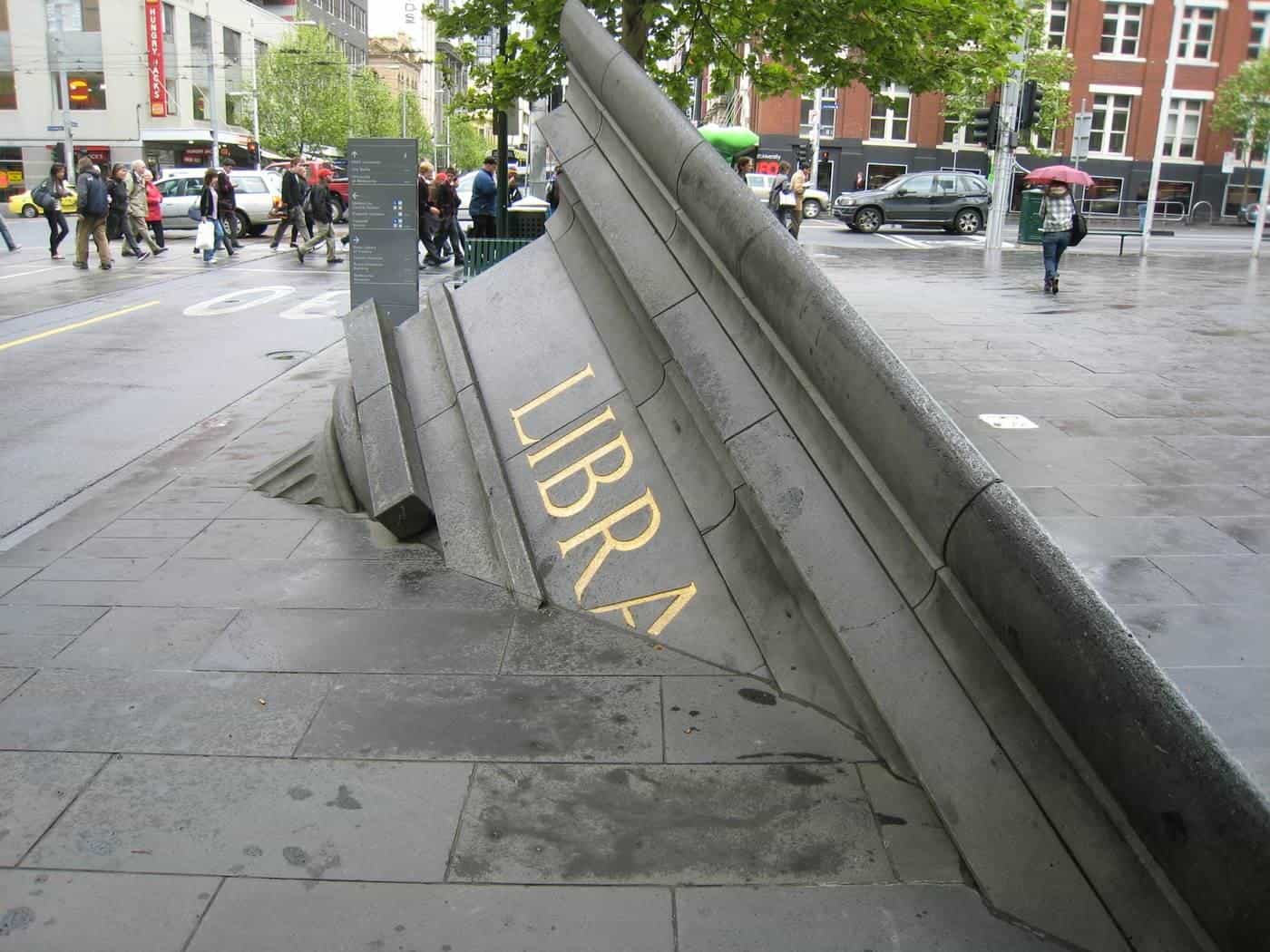
- Integrated art, built into architecture, paving, lighting or street furniture.
- Temporary installations, often part of festivals or programs.
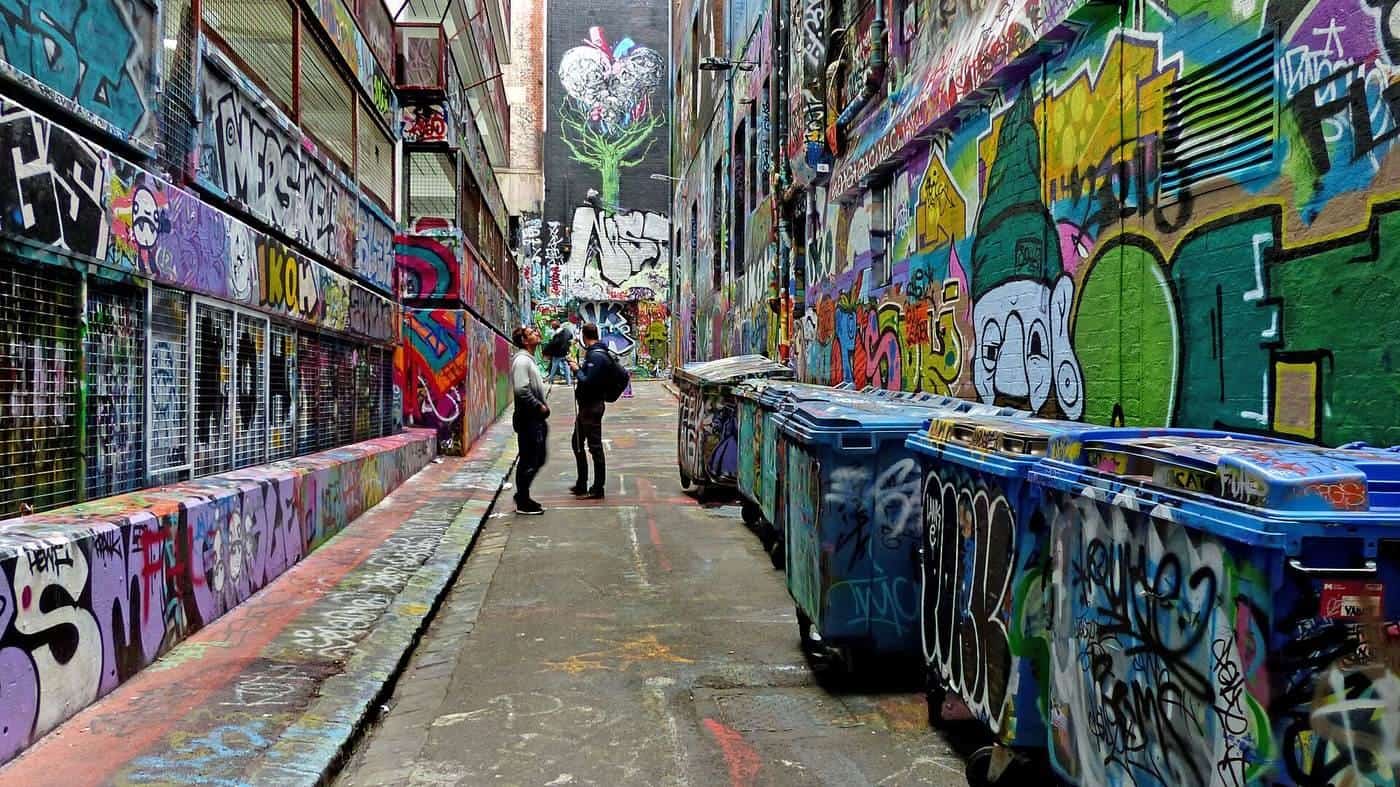
- Murals, some commissioned by the council or building owners.
Where to look
Public art is spread across the city, but some areas are particularly rich:
- Swanston Street, with sculptures and installations along the footpaths;
- City Square and nearby streets;
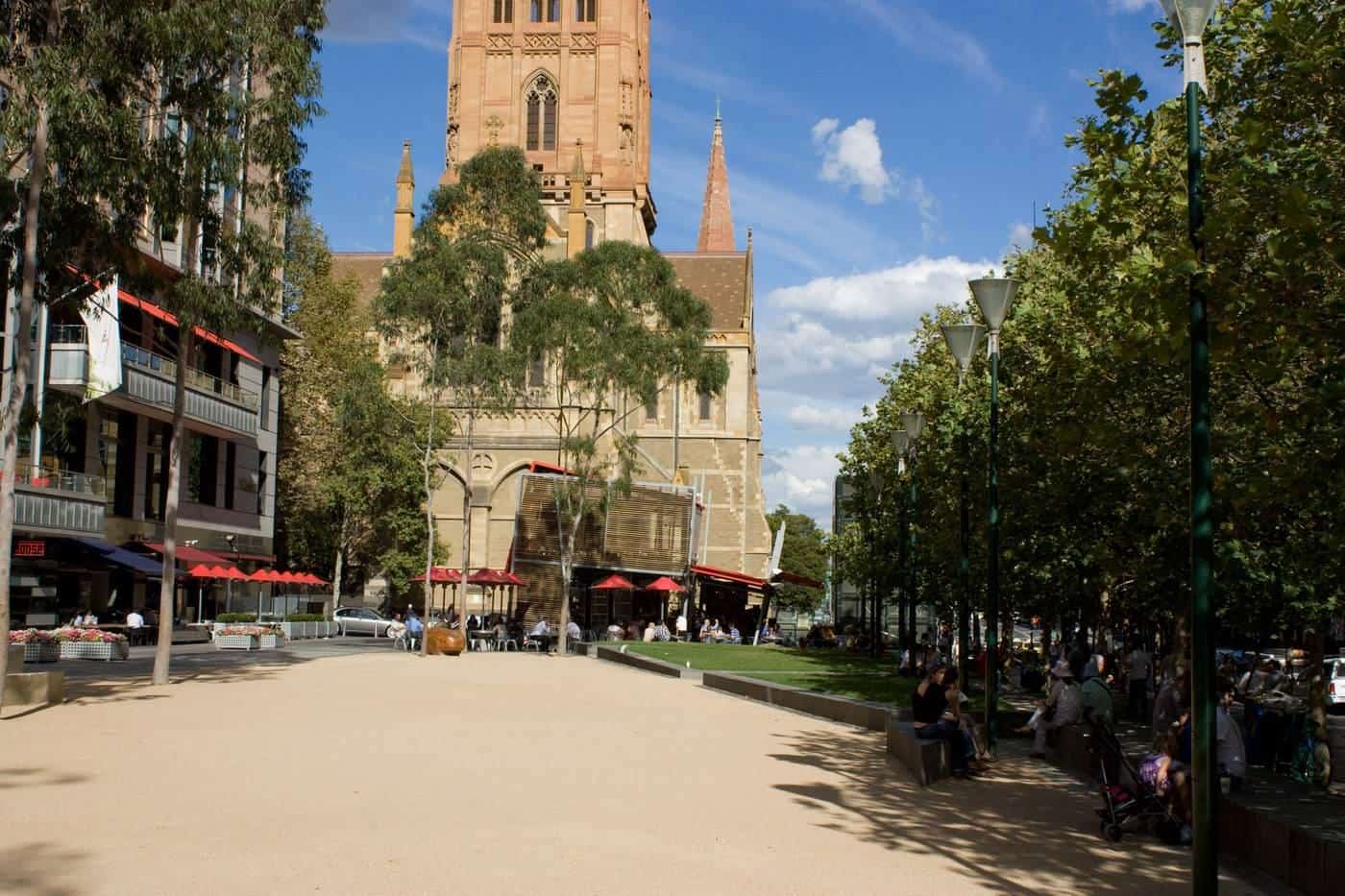
- Federation Square and Birrarung Marr, along the river;
- Southbank, including outdoor sculpture near the arts precinct and ACCA;
- parks and gardens, such as the Fitzroy, Treasury and Flagstaff Gardens and the Kings Domain, which hold statues and memorials.
The City of Melbourne's online City Collection includes information about public artworks and memorials, with locations and background. It's the best way to find out what you're looking at.
Looking at public art
Public art works differently from gallery art. It has to survive weather and crowds, and it's seen by people who didn't choose to look. When you stop at a work, try:
- reading any plaque for the artist, title, date and story;
- walking around it to see it from different angles;
- thinking about the site: why here, and how does it change the space?
- noticing how people use it, whether they sit on it, meet near it or ignore it.
Controversy and change
Public art often provokes debate. Some works now loved were controversial when installed; others have been moved or removed. Memorials and statues commemorating colonial figures are also the subject of ongoing discussion about how cities remember their history. Reading about these debates adds another layer to a walk.
City Gallery
The City of Melbourne runs City Gallery, which presents exhibitions drawing on the collection and the city's history. Check the council website for current exhibitions and opening hours.
Caring for public art
Public art needs maintenance: cleaning, conservation and sometimes repair after vandalism or damage. If you notice damage to a public artwork, you can report it to the City of Melbourne.
Make it a walk
Public art is best discovered on foot. Our self-guided art walks suggest routes that combine public art with galleries and street art, and our art day planner can put a walk into a timetable.
Memorials and monuments
Memorials are an important part of the collection. They include statues of historical figures, war memorials and monuments marking significant events. Many date from the late nineteenth and early twentieth centuries, when cities commemorated explorers, politicians, monarchs and soldiers. Reading the inscriptions tells you a lot about what earlier generations valued.
Today, memorials are part of a wider conversation about history and memory. Some cities have added interpretive signs to colonial monuments, commissioned new works that tell different stories, or debated whether certain statues should stay. Melbourne is part of these conversations too. When you visit a memorial, think about who is remembered, who isn't, and how the site might be understood differently by different communities.
Works by First Peoples artists
The city's public art includes works by First Peoples artists, including works that acknowledge the Wurundjeri Woi-wurrung and Bunurong peoples and the deep history of the lands where the city stands. Look for these works along the river and in public spaces, and read the accompanying information.
Art in buildings
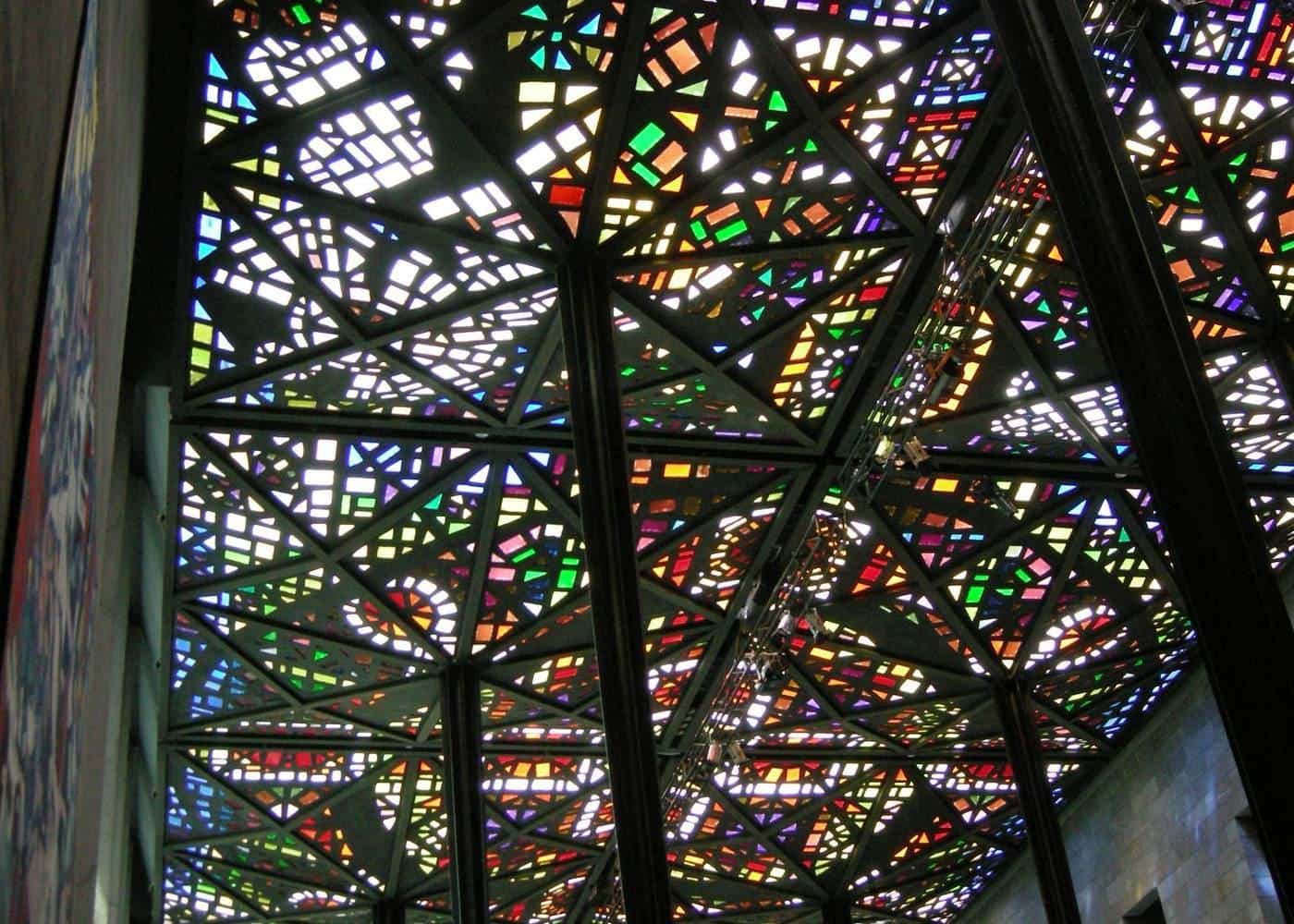
Not all of the collection is outdoors. Civic buildings such as the Town Hall hold paintings, portraits and decorative arts, and some are displayed in public areas. City Gallery presents exhibitions drawing on the collection. Check the council website for open days and exhibitions.
Temporary public art
Alongside permanent works, Melbourne hosts temporary public art: installations during festivals, light projections, artworks on hoardings around construction sites and pop-up projects in laneways. These can be some of the most surprising works in the city. Keep an eye on council and festival programs.
Photographing public art
Photographing public sculpture from public places for personal use is common. Australian copyright law includes exceptions for photographing sculptures and certain works permanently situated in public places, but the details matter if you plan commercial use. If in doubt, seek advice.
Finding a specific work
If you know the name of a work or artist, the City of Melbourne's online City Collection is the best place to search. If you've spotted a work and want to know more, note its location and look for a plaque, then search the collection by location or keyword.
Public art for families
Public art is a great way to engage children with art. Look for works that are interactive or playful, make up stories about sculptures, and ask children what they think a work is about. Many works in parks and along the river suit a family walk.
Public art along the river
The Yarra, known to the Wurundjeri as Birrarung, is lined with public art. Birrarung Marr, the park beside Federation Square, includes artworks and spaces for events. Southbank and the river paths have sculptures and installations, and new works sometimes appear as part of festivals. A walk along the river from Federation Square towards Southbank is one of the easiest ways to see a range of public art in a short time.
Why public art matters
Public art changes how people experience a city. It can mark places of significance, tell stories that might otherwise be forgotten, make streets more welcoming and spark conversation and debate. Because it's free and always there, it reaches people who might never step into a gallery. Paying attention to it adds a new layer to everyday walks.
Combining public art with galleries
Many public artworks sit close to galleries, so it's easy to combine them. Federation Square links The Ian Potter Centre with Birrarung Marr and the river, and Southbank's outdoor sculpture is a short walk from NGV International and ACCA. Our self-guided art walks suggest routes that do exactly this.
Key points
- The City of Melbourne's Art and Heritage Collection has more than 13,000 artworks and artefacts.
- About 180 outdoor public artworks sit alongside memorials across the city.
- Swanston Street, City Square, Federation Square, Southbank and city gardens are good places to look.
- The online City Collection explains individual works and locations.
- Public art is free to see any time; treat works with care and report damage.
Frequently asked questions
How many artworks does the City of Melbourne own?
The City of Melbourne says its Art and Heritage Collection contains more than 13,000 artworks and artefacts.
How many outdoor public artworks are there?
The City of Melbourne’s City Collection lists around 180 outdoor public artworks, alongside memorials and other works.
Where can I find information about a public artwork?
The City of Melbourne’s online City Collection has information on public artworks and memorials, including locations.
Can I touch public sculptures?
Some are designed to be touched or sat on; others are fragile. Follow any signs and treat works with care.
Is there a public gallery for the collection?
The City of Melbourne operates City Gallery, which presents exhibitions drawing on the collection. Check the council website for current shows.
Sources and further reading
Facts on this page were checked against these primary and official sources. Conditions change — confirm before you travel or buy.
- Art and Heritage Collection — City of Melbourne
- Public art and memorials (City Collection) — City of Melbourne
- Street art — City of Melbourne