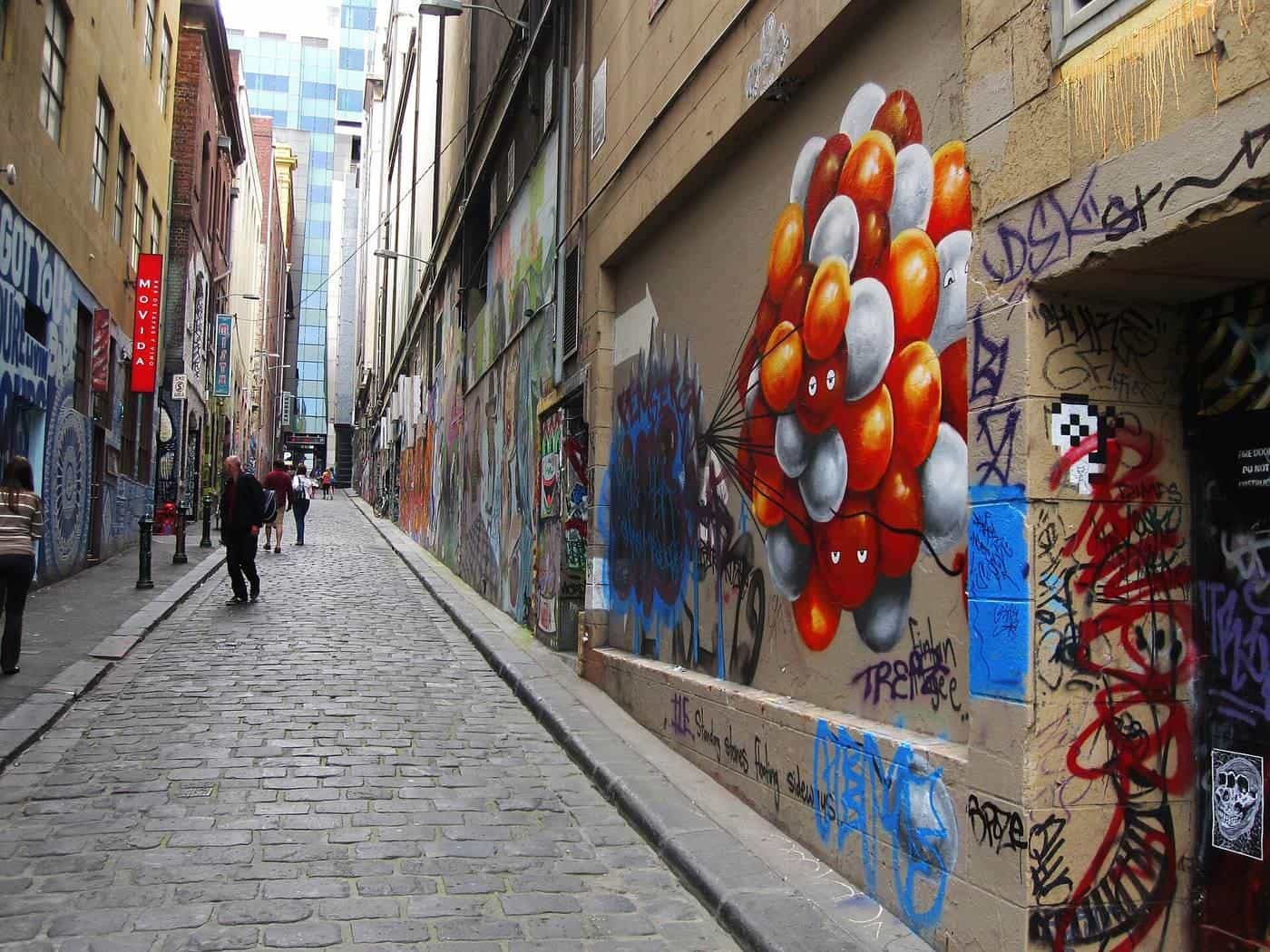
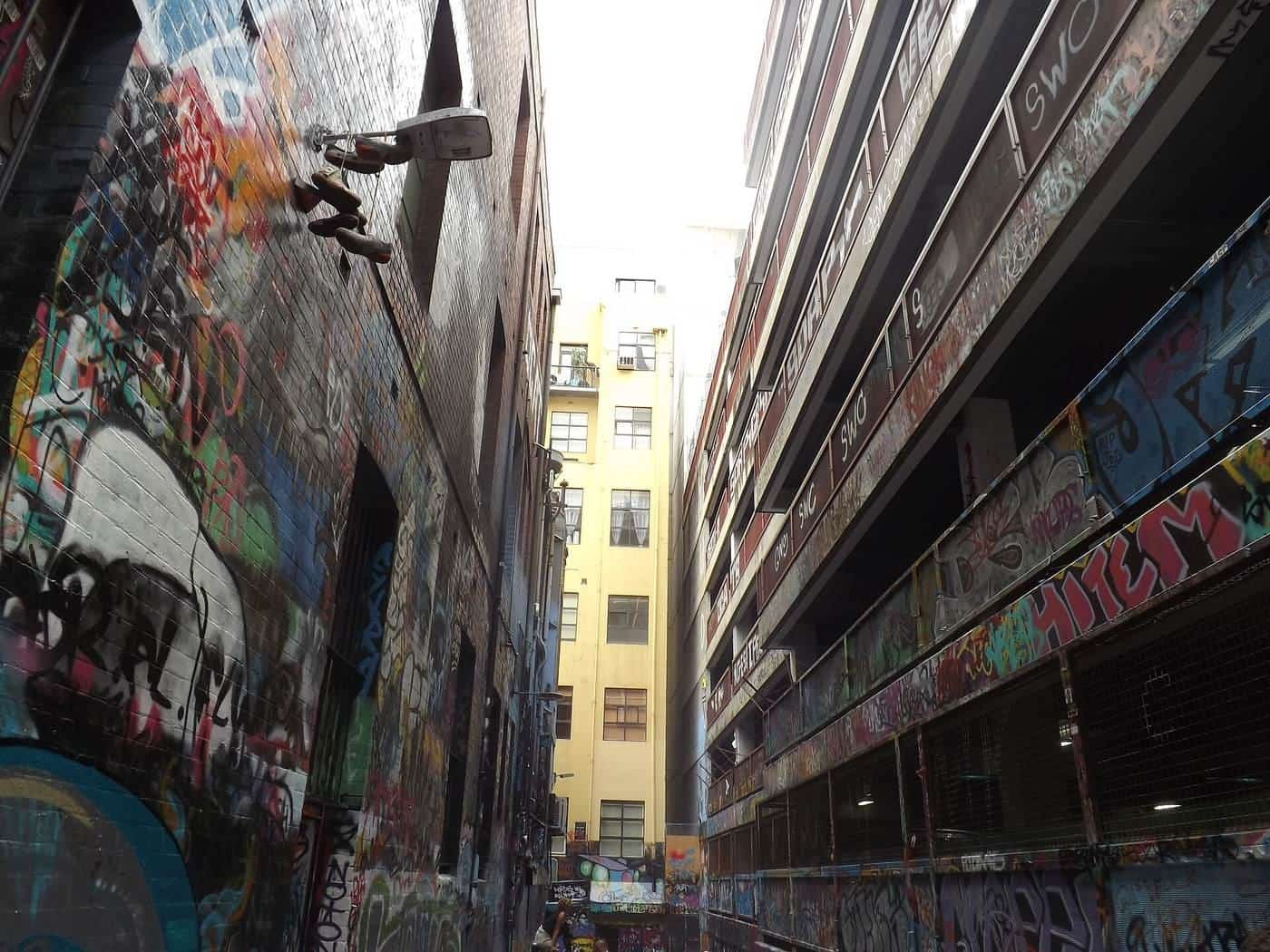
Melbourne's streets are a gallery that never closes. Laneways are layered with stencils, paste-ups and murals that change week to week. Sculpture and memorials line the main streets, squares, gardens and riverbanks. Much of it belongs to the City of Melbourne's Art and Heritage Collection, and all of it is free to see. The guides in this section help you find it, understand it and enjoy it responsibly.
The guides in this section
- Street art laneways: Hosier Lane and beyond, what you're looking at, etiquette, photography and staying safe.
- Melbourne's public art collection: the city's sculptures, memorials and integrated artworks, and how to find out about them.
- Self-guided art walks: three walks linking laneways, sculpture and the arts precinct.
- Street art and the law: permission, permits, heritage areas, Hosier Lane and copyright.
Street art
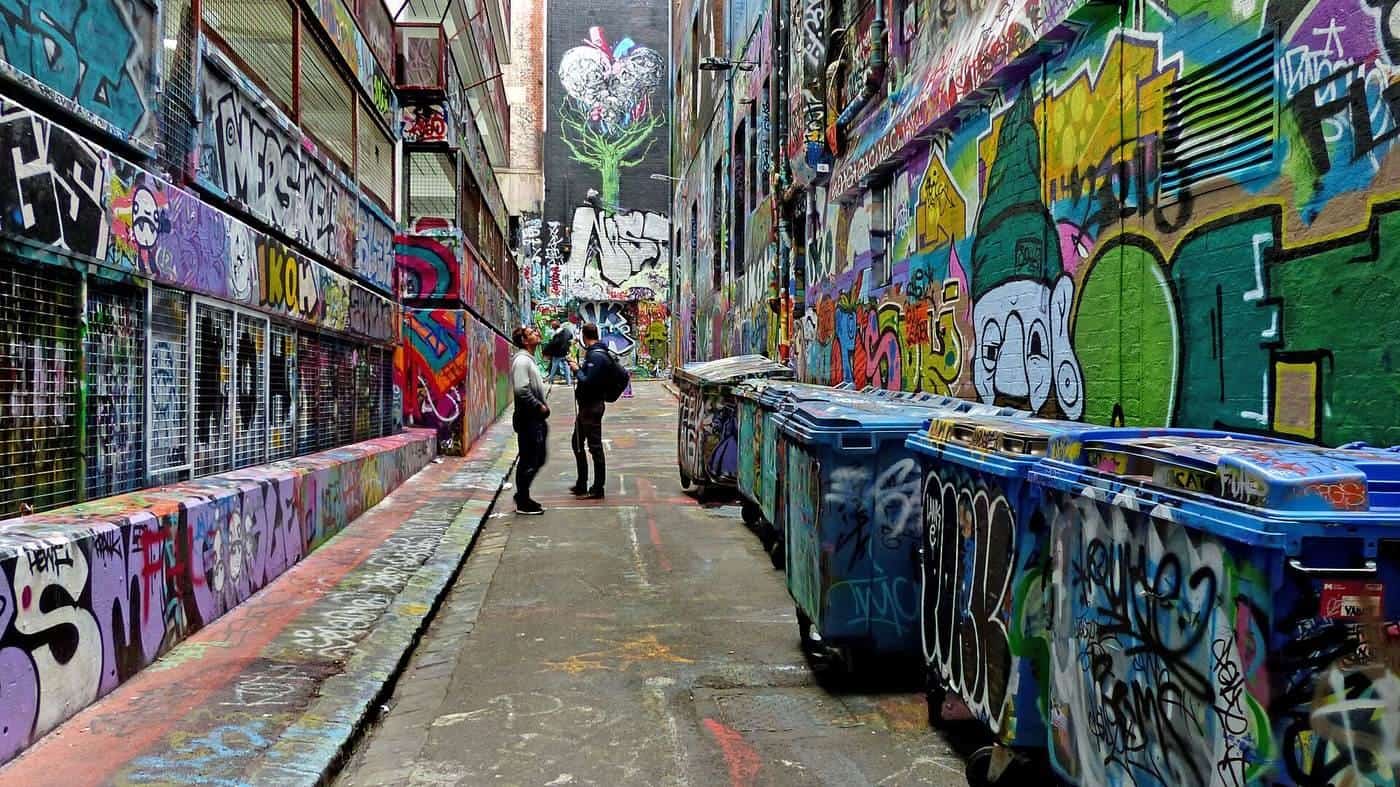
Melbourne's laneway street art is internationally known. Hosier Lane, off Flinders Street opposite Federation Square, is the most famous. The City of Melbourne describes it as a long-standing exception where painting is tolerated without the usual permissions, which is why it changes so often. Nearby lanes and inner suburbs have plenty more. Our guide to street art laneways explains what you'll see and how to be a considerate visitor.
The city's collection
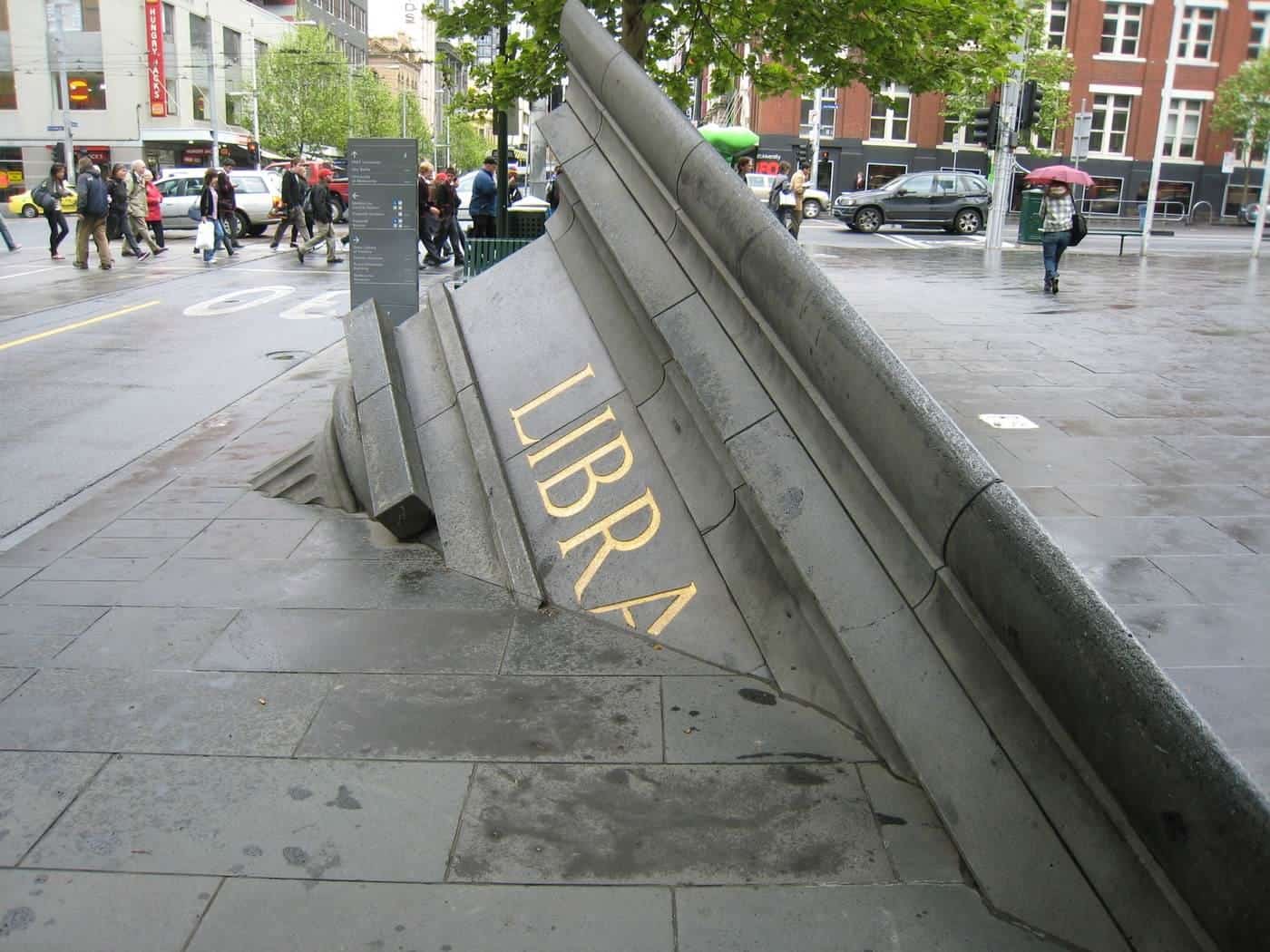
The City of Melbourne says its Art and Heritage Collection contains more than 13,000 artworks and artefacts. According to its City Collection website, around 180 of these are outdoor public artworks, alongside memorials and monuments. Swanston Street, City Square, Federation Square, Birrarung Marr, Southbank and the city's gardens are good places to look. Our guide to the public art collection tells you how to find and learn about works.
Walking the city
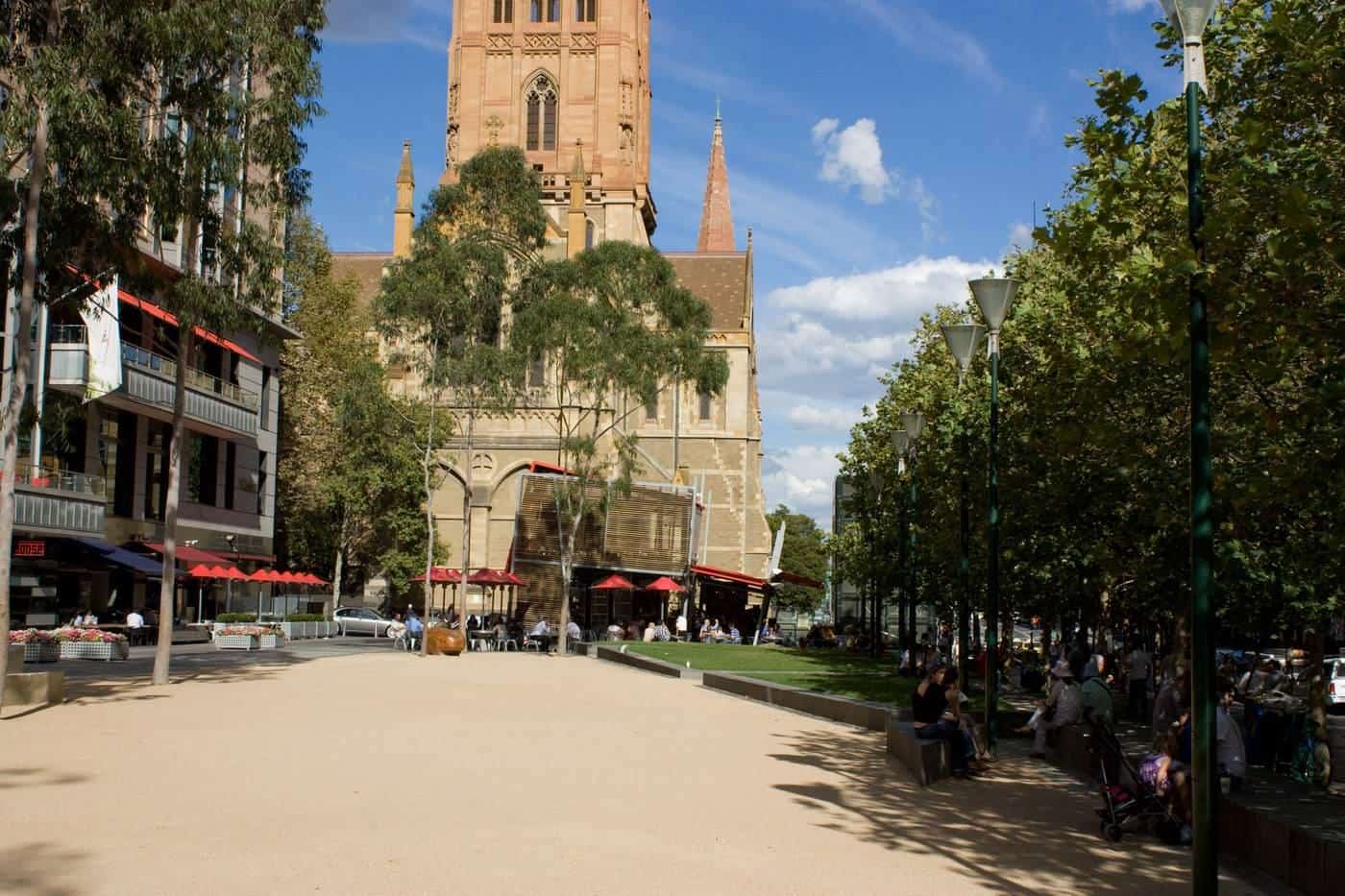
Public art is best discovered on foot. Our self-guided art walks suggest three routes: laneways and the river, Swanston Street sculpture and civic art, and the arts precinct south of the river. Our art day planner can put a walk into a timetable.
The rules
The City of Melbourne treats street art as work created with the permission of the property owner and, where required, a council permit. Graffiti, meaning marking someone else's property without permission, is illegal. Heritage controls cover much of central Melbourne and can affect what can be painted. Our guide to street art and the law explains the details for artists, owners and visitors.
Being a good visitor
- Look, photograph and enjoy, but don't add or remove marks.
- Respect artists at work and businesses in the lanes.
- Keep lanes passable and take your rubbish with you.
- Watch for vehicles and uneven bluestone.
- Treat sculptures with care and follow any signs.
Public art and the city's story
Public art reflects who a city chooses to remember and celebrate. Colonial statues, war memorials, abstract sculptures that once caused outrage and contemporary works by First Peoples artists all tell part of Melbourne's story. Reading plaques, looking up the collection online and noticing what's missing adds depth to any walk.
Photography tips
Street art and public sculpture are popular with photographers. For the best results, visit lanes in soft morning or late afternoon light, avoid the busiest weekend times, and look for details as well as whole walls. Be considerate of other visitors and businesses, and ask before photographing artists at work. If you plan to use photos commercially, remember that artworks may be protected by copyright.
Street art with children
Children often love street art for its colour and surprise. Keep a close eye on them in lanes with vehicles, visit in daylight and use the opportunity to talk about why some art is painted with permission and some isn't.
Beyond the city centre
Street art and public art aren't confined to the CBD. Many inner suburbs have murals and laneway art, and councils across Greater Melbourne commission public artworks for parks, libraries and streetscapes. Exploring a new suburb with an eye for walls and sculptures is a great way to see a different side of the city.
How quickly things change
Because street art is painted over constantly, guides and lists date quickly. Treat any list of "best walls" as a snapshot. The best approach is to wander, look closely and come back again; the lanes will have changed.
Reporting damage
If you see damage to a public artwork or memorial, you can report it to the City of Melbourne. Prompt reporting helps conservators protect works for everyone.
Timing your visit
Weekday mornings are usually the quietest time to explore the lanes. Weekends are busier but lively, and you may see artists at work. Visit in daylight if you're new to the area.
Public art and accessibility
Most public art is in open, flat spaces that are easy to reach, though some lanes have uneven bluestone and steps. Swanston Street, City Square, Federation Square and Birrarung Marr are generally the most accessible places to see outdoor art.
Where to go next
Our art history section gives background to the city's art, and our galleries section covers the NGV, contemporary spaces and buying art.
About these guides
Melbourne Art Network is independent. We aren't affiliated with the City of Melbourne or any gallery, and we rely on official sources listed on each page.
Guides in this section
Public art
Street art laneways
A guide to Melbourne’s street art laneways, including Hosier Lane: what you’ll see, how it changes, etiquette, photography and staying safe.
Read · 6 min
Public art
Melbourne’s public art collection
A guide to the City of Melbourne’s public art: the Art and Heritage Collection, outdoor sculpture, memorials and how to find and learn about works.
Read · 6 min
Public art
Self-guided art walks
Three self-guided art walks in central Melbourne combining galleries, laneway street art and public sculpture, with planning tips.
Read · 6 min
Public art
Street art and the law
How street art and graffiti are treated in Melbourne: owner permission, council permits, heritage areas, Hosier Lane and getting a mural made legally.
Read · 5 min
Frequently asked questions
Is Melbourne’s street art free to see?
Yes. Street art and public sculpture can be seen any time from public spaces.
Where is the best street art?
Hosier Lane, opposite Federation Square, is the best known. Nearby lanes and inner suburbs have plenty more, and works change constantly.
How much public art does the city own?
The City of Melbourne says its Art and Heritage Collection contains more than 13,000 artworks and artefacts, including around 180 outdoor public artworks.
Is street art legal?
With the property owner’s permission and any required council permit, yes. Marking property without permission is illegal graffiti.
Sources and further reading
Facts on this page were checked against these primary and official sources. Conditions change — confirm before you travel or buy.
- Street art — City of Melbourne
- Managing graffiti — City of Melbourne
- Art and Heritage Collection — City of Melbourne
- Public art and memorials (City Collection) — City of Melbourne