On the river flats of the Yarra in Bulleen, in Melbourne's north-east, an old farmhouse and its gardens were for decades the meeting place of a remarkable circle of artists, writers and thinkers. Its owners, John and Sunday Reed, used their home and resources to support artists who were challenging conservative ideas about Australian art. Today the property is Heide Museum of Modern Art, a public museum with galleries, heritage homes, kitchen gardens and a sculpture park. This guide tells the Heide story and explains how to make the most of a visit.
1934
Reeds buy the property
Living there from 1935
1980
State purchase
Property and collection
Nov 1981
Opens as a museum
Heide Museum of Modern Art
The Heide story
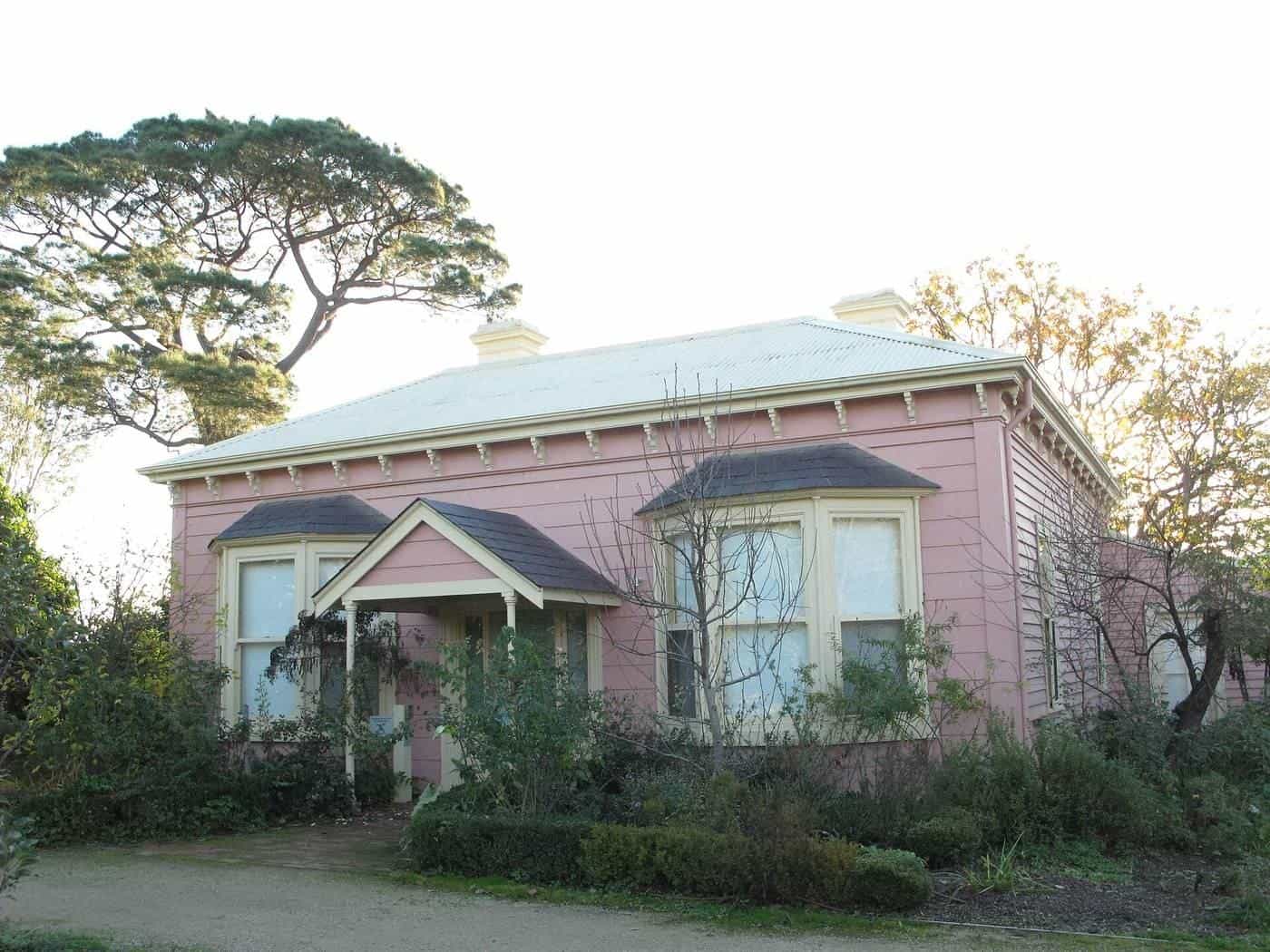
According to Heide's own history, John and Sunday Reed bought the property, a former dairy farm on the Yarra, in 1934 and moved there in 1935. Over the following decades they turned the farmhouse and its surroundings into a centre for modern art and culture. They built gardens, collected art, and opened their home to artists, writers and friends.
The Reeds were not artists themselves in the usual sense, though Sunday Reed was a passionate gardener whose gardens are a work of art in their own right. Their importance lay in patronage: buying work, providing places to live and paint, publishing, and championing art that many institutions of the time ignored or dismissed.
The Heide circle
Through the 1930s and 1940s, a changing group of artists spent time at Heide. They were interested in modernism, surrealism and expressionism, and in finding new ways to represent Australian experience. Many were associated with the "Angry Penguins", a name taken from a literary and arts journal of the period that the Reeds supported.
Among the artists linked with Heide were Sidney Nolan, Albert Tucker, Joy Hester and John Perceval. Nolan painted much of his celebrated series about the bushranger Ned Kelly while living at Heide in the 1940s. The circle's work was often confronting, personal and politically engaged, a sharp contrast to the sunlit pastoral landscapes many Australians associated with national art.
Heide II and the museum
In the 1960s, the Reeds built a striking modernist house on the property, now known as Heide II. Heide's history explains that in 1980 the Victorian Government bought the property along with a collection of works, and that Heide opened as a public art museum in November 1981.
Since then the museum has grown, with a purpose-built gallery added later, and the property now includes:
- Heide I, the original farmhouse;
- Heide II, the modernist house built for the Reeds;
- Heide III, a dedicated gallery building for exhibitions;
- the gardens, including Sunday Reed's kitchen garden and heritage rose gardens;
- the sculpture park, with works set among lawns and trees along the river.
What to see
Exhibitions
Heide presents changing exhibitions of modern and contemporary Australian art, drawing on its collection and loans. Exhibitions often explore artists associated with the Heide circle alongside contemporary practitioners. Check Heide's website for what's on.
The houses
Walking through the homes gives a sense of how the Reeds lived and how closely art, domestic life and friendship were connected. Heide II in particular is an important example of mid-century modernist architecture in Melbourne.
The gardens and sculpture park
Many visitors come as much for the grounds as the galleries. The kitchen garden, the old trees and the sculptures placed across the lawns make for a peaceful wander, especially in spring and autumn.
Planning a visit
Heide is in Bulleen, well outside the city centre, so allow time to get there. Before you go:
- check opening days and hours, which can change, and whether any areas are closed;
- check ticketing, since entry arrangements can vary by exhibition;
- plan transport, whether by car, public transport or bike along the Yarra trails;
- allow at least half a day to see the galleries, houses and grounds without rushing;
- check accessibility information if you need it, as some heritage areas may be harder to access.
Our art day planner can help you fit Heide into a wider day, though because of the distance many visitors make it a separate trip.
Heide and the Heidelberg School
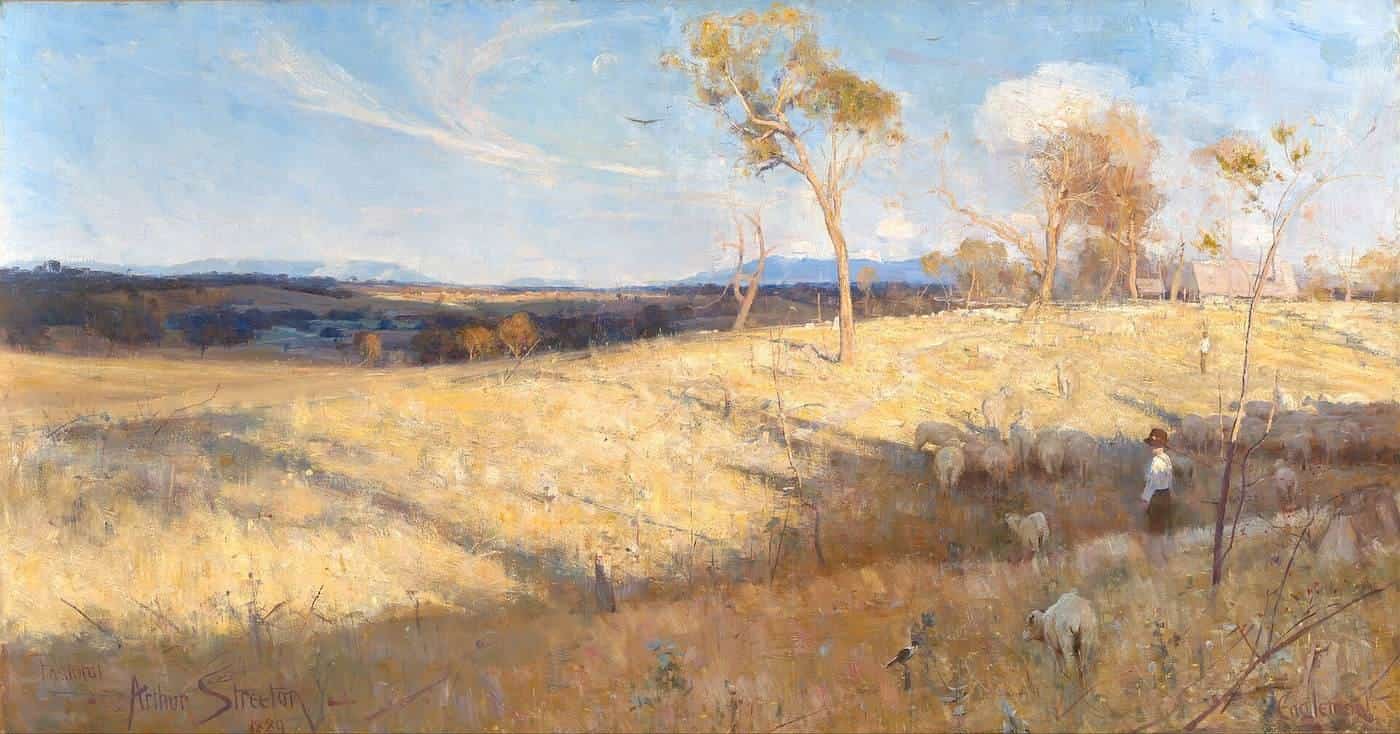
The names are easy to confuse. The Heidelberg School was a group of plein-air painters working around Melbourne in the late 1880s, including at Eaglemont near Heidelberg. Heide is the name of the Reeds' property in nearby Bulleen, and its artists worked half a century later in very different styles. The two share a district and a place in Melbourne's art history, but they represent quite different ideas about what Australian art could be. Our guide to the Heidelberg School covers the earlier movement.
Seeing Heide circle works elsewhere
Works by artists associated with Heide are held in many public collections. The NGV holds significant works by these artists, displayed at The Ian Potter Centre: NGV Australia when on view. Other state galleries and the National Gallery of Australia also hold major works. Displays change, so check before visiting.
Modernism and controversy
Modern art was controversial in Australia in the 1930s and 1940s. Debates raged in newspapers and art institutions about whether modernism was a legitimate direction or a foreign fad. Artists associated with Heide were at the centre of these arguments. The Reeds' support for the "Angry Penguins" journal placed them in the middle of a famous literary controversy too, when the journal published poems by an invented poet, "Ern Malley", which had been created as a hoax by two conservative writers to mock modernist poetry. The episode is still discussed as a turning point in Australian cultural history.
Visiting with children
Heide's lawns, gardens and sculpture make it a relaxed place for families. Children can explore outdoor sculptures, though some works should not be climbed on, so follow signs. Check Heide's website for family programs and holiday activities, and pack for a picnic if the weather is good.
Combining Heide with other places
Because Heide is outside the city centre, many visitors make it a separate outing. You could combine it with a walk or ride along the Yarra trails, or with the Heidelberg area, where some of the earlier Heidelberg School painters worked. Check transport options and opening hours before you plan the day.
Looking at the art
Works by the Heide circle can be intense: distorted figures, dark humour, dreamlike landscapes and strong colour. Take time with them. Notice how differently these artists pictured Australia compared with the sunlit landscapes of the 1880s, and think about the world they were working in, through depression, war and rapid change.
Seasons at Heide
The gardens change through the year. Spring brings blossom and roses, summer suits a picnic by the river, autumn colours the trees and winter is quiet and atmospheric. Check the weather and dress for time outdoors.
Key points
- John and Sunday Reed bought the Bulleen property in 1934 and lived there from 1935.
- Their home became a centre for modern art, linked with artists such as Sidney Nolan, Albert Tucker and Joy Hester.
- The Victorian Government bought the property and works in 1980; Heide opened as a museum in November 1981.
- Today Heide includes galleries, heritage homes, gardens and a sculpture park.
- Check opening hours, tickets and transport before visiting, and allow plenty of time.
Frequently asked questions
What is Heide?
Heide Museum of Modern Art in Bulleen, Melbourne, is a public art museum on the former home of art patrons John and Sunday Reed, with galleries, gardens and a sculpture park.
When did Heide become a public museum?
The Victorian Government bought the property and a collection of works in 1980, and Heide opened as a public art museum in November 1981.
Who were John and Sunday Reed?
Art patrons who bought the property in 1934 and lived there from 1935, supporting and hosting many artists and writers.
Is Heide in the city centre?
No. It’s in Bulleen, in Melbourne’s north-east, beside the Yarra. Allow time for travel and check transport options and opening hours before you go.
What can I see there?
Changing exhibitions of modern and contemporary art, the original Heide homes, gardens and outdoor sculpture. Check Heide’s website for current exhibitions.
Sources and further reading
Facts on this page were checked against these primary and official sources. Conditions change — confirm before you travel or buy.
- The Heide Story — Heide Museum of Modern Art
- About the NGV — National Gallery of Victoria