Melbourne's street art is one of its biggest attractions, and yet the same spray can that creates a celebrated mural can also be used for illegal vandalism. The difference, in the eyes of the law and the council, is permission. This guide explains how the City of Melbourne distinguishes street art from graffiti, what permissions are needed, how heritage controls fit in and what property owners and artists should know. It's general information, not legal advice, and it focuses on the City of Melbourne; other councils have their own rules.
Permission
The key difference
Street art vs graffiti
Owner + permit
What may be needed
Especially in heritage areas
Hosier Lane
Long-standing exception
City of Melbourne
Street art or graffiti?
The City of Melbourne distinguishes between the two:
- Street art is created with the permission of the property owner and, where required, with council approval.
- Graffiti is marking someone else's property without permission. It's illegal.
The style of the work doesn't decide which category it falls into. A beautifully painted mural without permission is still graffiti in legal terms; a simple tag painted with the owner's consent may be legal.
Permissions for street art
According to the City of Melbourne, street art on private property generally requires the written permission of the property owner. A council permit may also be required, particularly where heritage controls apply. Much of central Melbourne is covered by heritage overlays in the planning scheme, which can affect what can be painted on a building.
If you're a property owner or artist planning a mural:
- Get the property owner's written permission if you're not the owner.
- Check with the City of Melbourne whether a planning permit is needed, especially in heritage areas.
- Consider the neighbours and the street, and any body corporate rules.
- Agree terms with the artist, including design, payment, timing, maintenance and what happens if the work is damaged or painted over.
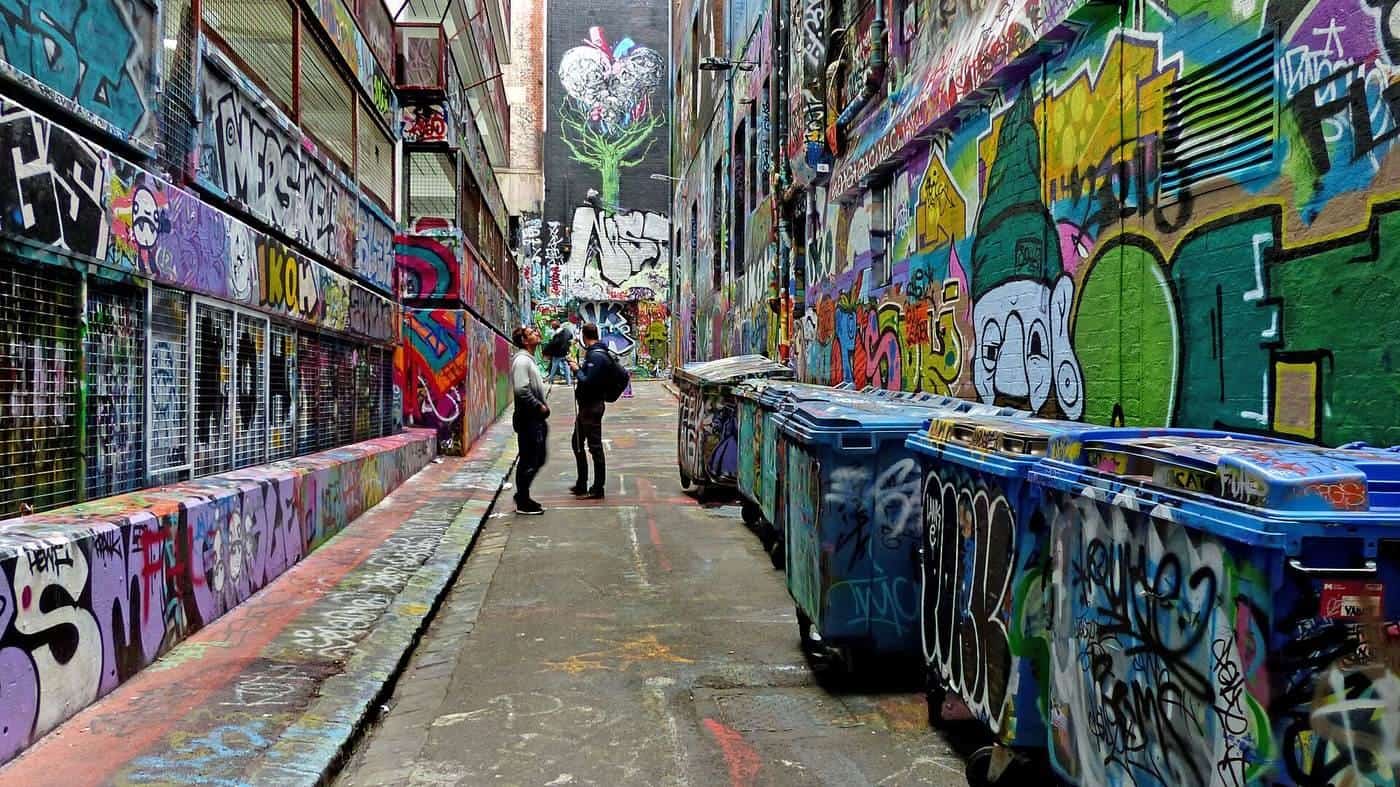
Hosier Lane
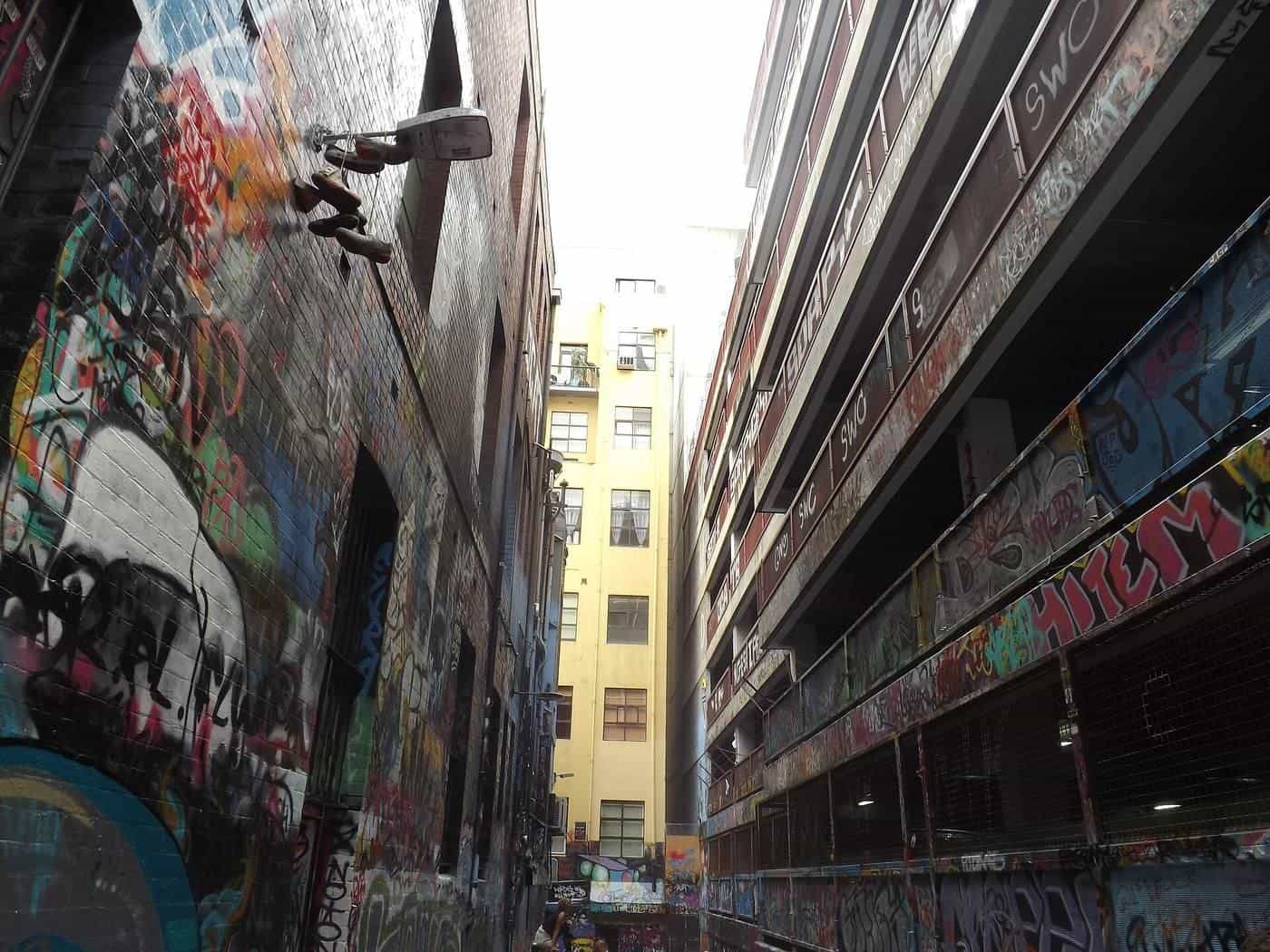
The City of Melbourne describes Hosier Lane as a long-standing exception where painting is tolerated without permits or owner permission. That's why it changes so often. Conditions in any lane can change, so artists should check current council information rather than assume.
Graffiti management
The City of Melbourne has programs to manage graffiti, including removal and information for property owners. If your property is tagged without your consent, the council's guidance on managing graffiti explains how to report it and options for removal. Prompt removal is often recommended because it can discourage further tagging.
Copyright and moral rights
Under Australian copyright law, artists generally own the copyright in their work, even when it's painted on someone else's wall. Artists also have moral rights, including the right to be attributed. Before using images of street art commercially, such as in advertising or on products, check whether you need the artist's permission. Property owners commissioning murals should agree in writing what happens to the work in future, including if the building is sold or renovated.
For visitors
- Look, photograph and enjoy.
- Don't add your own marks unless you have permission.
- Don't remove or damage work, including stickers and paste-ups.
- Respect artists at work and businesses in the lanes.
Our guide to street art laneways has more tips for visitors.
For aspiring artists
If you want to paint legally, look for legal walls and community mural programs, approach property owners with a design and a written agreement, and check council requirements. Some councils and organisations run programs that commission artists for public murals. Building a portfolio of permitted work is the best path to commissions.
Commissioning a mural: a checklist
If you own a building and want a mural, work through these steps:
- Clarify ownership and approvals. If you're a tenant, get the owner's written consent. If the building is in a body corporate, check its rules.
- Check planning requirements. Contact the City of Melbourne to confirm whether a permit is needed, particularly if the building is in a heritage overlay.
- Choose an artist. Look at their previous work, ask for references and discuss your ideas.
- Agree on a design. Ask for a sketch or mock-up, and agree on how many revisions are included.
- Put it in writing. A written agreement should cover the design, fee, materials, timeline, insurance, access, maintenance, copyright and what happens if the work is damaged, removed or painted over.
- Plan for maintenance. Murals weather and can be tagged. Consider protective coatings and how repairs will be handled.
Removal and change
Murals don't last forever. Buildings are sold, renovated and demolished, and street art is often painted over. If you commission a mural, discuss with the artist what will happen if it needs to be removed, and whether they'd like to be notified or to document it first. Under moral rights law, artists can have rights in relation to the destruction or relocation of some works affixed to buildings, so seek advice if you're planning to remove a significant commissioned work.
Safety for artists
Painting outdoors involves real risks: working at height, traffic, fumes and weather. Artists working on commissions should consider appropriate equipment, ventilation, safe access and any traffic management or permits needed to work on footpaths or roads. Commercial projects may also need public liability insurance.
Reporting concerns
If you see graffiti being applied or have concerns about safety in a lane, you can contact the City of Melbourne or, in an emergency, Victoria Police. For non-urgent matters about graffiti on your property, the council's managing graffiti page explains options.
Other councils
This guide focuses on the City of Melbourne, which covers the CBD and some inner suburbs. Other councils across Greater Melbourne have their own approaches to street art and graffiti, including some legal walls and mural programs. Check with your local council before painting or commissioning work.
Common myths
"If it's good art, it's legal." No. Quality doesn't matter legally; permission does.
"Hosier Lane rules apply everywhere." No. Hosier Lane is described by the City of Melbourne as a long-standing exception. Other lanes and walls need permission.
"Once it's on my wall, I own the image." You own the wall and the paint on it, but the artist generally owns the copyright in the design.
"Paste-ups and stickers don't count." Putting paste-ups or stickers on someone else's property without permission can still be illegal.
Getting advice
For planning questions, contact the City of Melbourne. For questions about copyright, moral rights or contracts, arts legal services such as the Arts Law Centre of Australia provide information and advice for artists and arts organisations.
For property owners dealing with unwanted tags
If your property is tagged, photograph the damage, report it as the council suggests and consider prompt removal. Some owners choose to commission a mural on frequently tagged walls, as murals painted with permission are sometimes less likely to be tagged over, though there's no guarantee. Discuss options with the council.
Key points
- The City of Melbourne treats street art as work painted with permission; graffiti without permission is illegal.
- Private property needs the owner's written permission, and a council permit may be required, especially in heritage areas.
- Hosier Lane is a long-standing exception where painting is tolerated, but conditions can change.
- Artists generally own copyright in their work, even on someone else's wall.
- Check current council information before painting, and agree terms in writing.
Frequently asked questions
What is the difference between street art and graffiti?
The City of Melbourne treats street art as work painted with permission, and graffiti as marking someone else’s property without permission, which is illegal.
Do I need a permit for a mural?
On private property you need the owner’s written permission, and a council permit may also be required, especially in heritage areas. Check with the City of Melbourne.
Is Hosier Lane free to paint?
The City of Melbourne describes Hosier Lane as a long-standing exception where painting is tolerated without the usual permissions. Conditions can change.
What should I do if my property is tagged?
The City of Melbourne has information on reporting and removing graffiti. Prompt removal is often recommended.
Who owns the copyright in street art?
Generally the artist, even if the work is on someone else’s wall. Check before using images commercially.
Sources and further reading
Facts on this page were checked against these primary and official sources. Conditions change — confirm before you travel or buy.
- Street art — City of Melbourne
- Managing graffiti — City of Melbourne