Melbourne's reputation as an art city has been built over more than a century and a half of institutions, movements, arguments and experiments. This timeline picks out key moments that help explain what you see in the city's galleries and streets today. It's a selection, not a complete history, and it starts with an important caveat: art and culture on the lands of the Kulin Nations go back tens of thousands of years before any of these dates. Our guide to First Peoples art in Melbourne explores that much longer story.
1861
NGV founded
Australia's oldest public gallery
1889
9 by 5 exhibition
Heidelberg School landmark
1981
Heide opens
Museum of modern art
Before 1861: Country and colony
For tens of thousands of years, the Wurundjeri Woi-wurrung, Bunurong and other Kulin peoples made art and cultural objects on the lands where Melbourne now stands. After colonial settlement in the 1830s, the newcomers brought European traditions of painting and drawing, and the gold rushes of the 1850s made Melbourne rich, populous and ambitious, with money to spend on culture.
1861: A public museum of art
The NGV says it was founded in 1861 and is Australia's oldest public art gallery. It began as a museum of art within the Melbourne Public Library, now the State Library Victoria, on Swanston Street. The gallery grew alongside an art school, the National Gallery School, which trained many of the artists who would shape Australian art in the following decades.
1880s: Painting outdoors
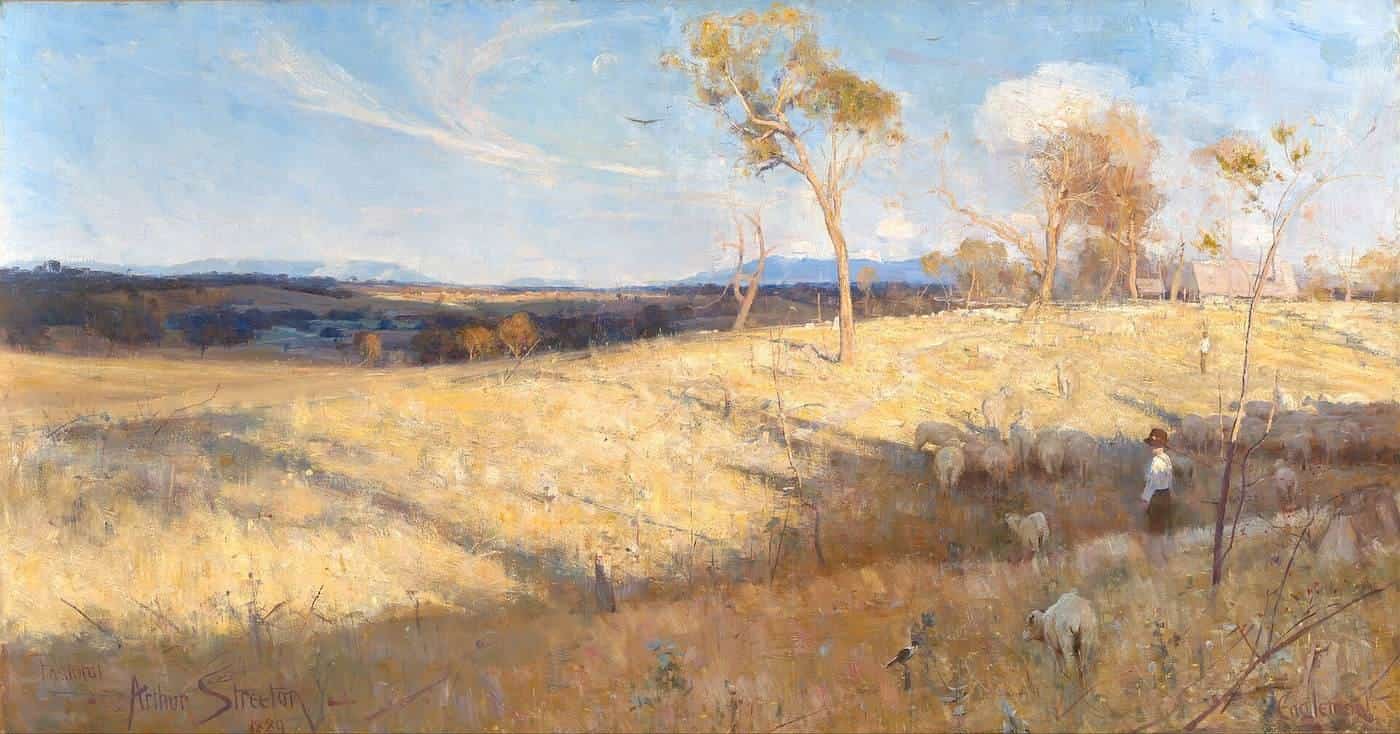
In the late 1880s, young artists including Tom Roberts, Arthur Streeton and Charles Conder set up painting camps around Melbourne, at places like Box Hill, Mentone and Eaglemont near Heidelberg. They painted outdoors to capture Australian light.
1889: The 9 by 5 Impression Exhibition
According to the NGV, the 9 by 5 Impression Exhibition opened on 17 August 1889 at Buxton's Art Gallery in Melbourne, showing 183 small works, many on cigar-box lids. Critics attacked it, the artists defended it, and it became a landmark of what was later called the Heidelberg School. See our guide to the Heidelberg School.
1930s–1940s: Modernism and Heide
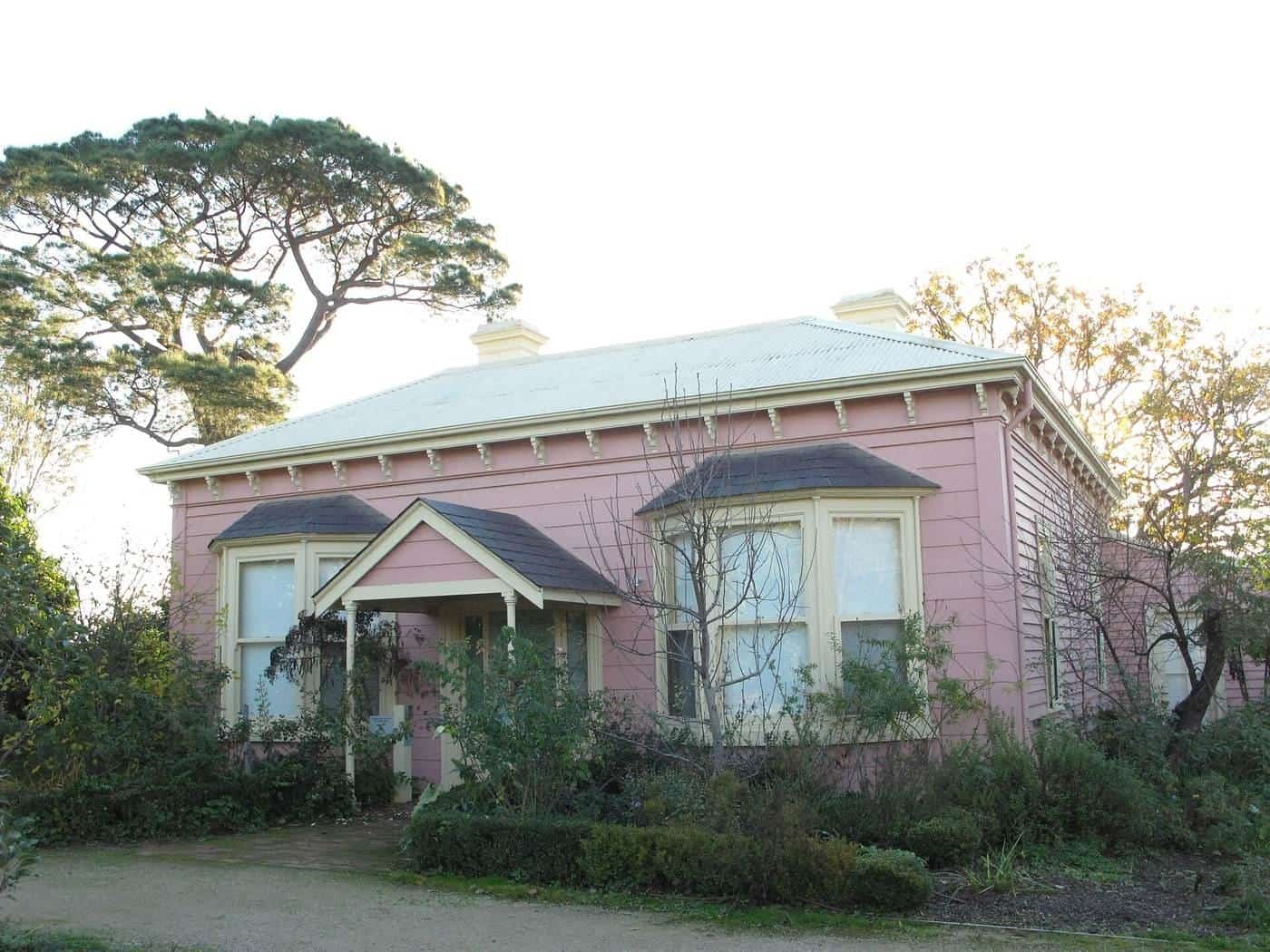
In 1934, John and Sunday Reed bought a former dairy farm in Bulleen that became known as Heide. Over the following years, artists including Sidney Nolan, Albert Tucker and Joy Hester spent time there. Modernism was controversial in Melbourne, and debates about modern art, censorship and national identity were often heated. See our guide to Heide and modern art.
1968: A new home for the NGV
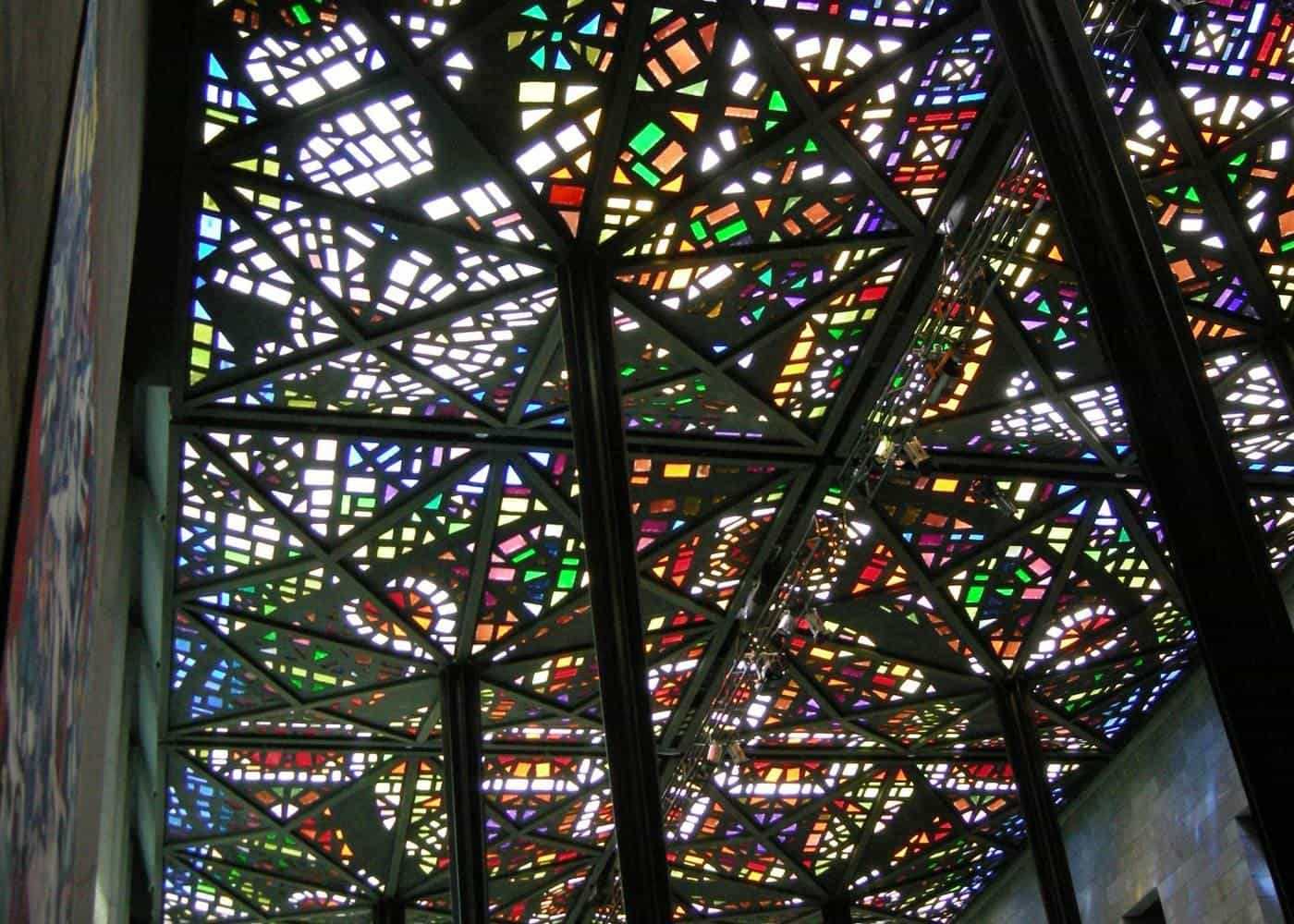
The NGV moved from the library building to a new purpose-built gallery on St Kilda Road, designed by architect Roy Grounds, as part of what became the Arts Centre Melbourne precinct. Its features include the water wall at the entrance and the Great Hall with its coloured glass ceiling. The building, renovated in the early 2000s, is now NGV International.
1981: Heide becomes a museum
Heide's history explains that the Victorian Government bought the property and a collection of works in 1980, and that Heide opened as a public art museum in November 1981.
1983: ACCA
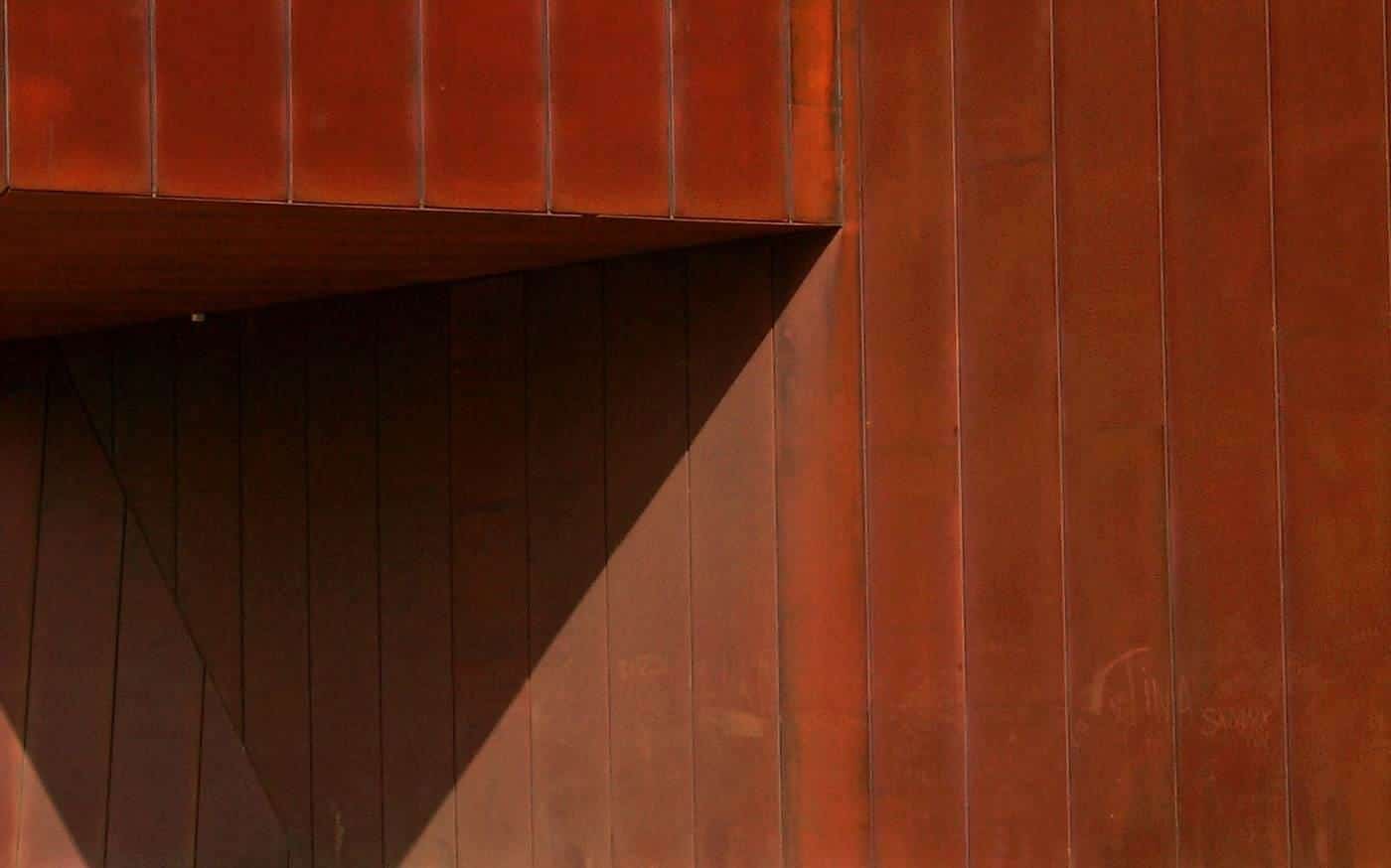
The Australian Centre for Contemporary Art says it was established in 1983. It moved in 2002 into its purpose-built building in Southbank, with a distinctive rusted steel exterior. ACCA is a non-collecting institution, presenting and commissioning contemporary art rather than holding a permanent collection.
1980s–2000s: Laneways and street art
From the 1980s and especially from the late 1990s and 2000s, Melbourne's laneways became known for stencils, paste-ups, murals and graffiti. Some lanes, such as Hosier Lane, became famous internationally. The City of Melbourne developed approaches to distinguish street art painted with permission from illegal graffiti. See our guide to street art laneways.
2002: Federation Square and NGV Australia
Federation Square opened in 2002 as a civic and cultural precinct opposite Flinders Street Station. It includes The Ian Potter Centre: NGV Australia, dedicated to Australian art from the NGV collection, including First Nations art and the Heidelberg School.
Today
Melbourne's art scene now includes major public galleries, university and regional galleries, artist-run initiatives, commercial galleries, festivals and an extensive public art collection. The City of Melbourne says its Art and Heritage Collection contains more than 13,000 artworks and artefacts, including public art and memorials across the city.
Visiting the timeline
You can trace much of this history in a day or two in the city:
- State Library Victoria, the NGV's first home;
- NGV International on St Kilda Road;
- The Ian Potter Centre: NGV Australia at Federation Square;
- ACCA in Southbank;
- Hosier Lane and nearby laneways;
- Heide in Bulleen, as a separate trip.
Our art day planner can help you build a timetable.
The art schools
Art schools have shaped Melbourne's art scene since the nineteenth century. The National Gallery School, attached to the gallery, trained many leading artists of the late nineteenth and early twentieth centuries, including several associated with the Heidelberg School. Today Melbourne's universities and art schools teach fine art, design and related disciplines, and their graduate exhibitions at the end of each academic year are a popular way to see new work and discover emerging artists.
Censorship and debate
Melbourne's art history includes many fierce debates. Modern art was attacked as foreign or degenerate in the 1930s and 1940s. Artworks have been the subject of public protest and controversy over the decades, including some public sculptures that were later moved. These arguments are a reminder that art often challenges its audience, and that what one generation rejects, another may celebrate.
Collections beyond the NGV
The NGV is the largest, but it's not the only collection. Museums Victoria cares for cultural collections including First Peoples objects. Universities hold art collections and run galleries. The City of Melbourne's Art and Heritage Collection, with more than 13,000 artworks and artefacts, includes public art and memorials. State Library Victoria holds pictures, photographs and prints documenting the city's history.
Looking ahead
Melbourne's art scene continues to change: new galleries open and others close, festivals come and go, and street art is painted over weekly. Major redevelopments of the arts precinct are planned or under way. Check current news and venue websites for the latest.
Using the timeline on a visit
The timeline works well as a walking order. Start at State Library Victoria, the NGV's first home, then walk down Swanston Street to Federation Square and The Ian Potter Centre for Australian art. Cross the river to NGV International, continue to ACCA in Southbank, and finish back in the laneways around Hosier Lane. Heide makes a separate half-day trip.
Sources for this timeline
Dates in this timeline come from the institutions themselves where possible, including the NGV, Heide, ACCA and the City of Melbourne, as listed in the sources below. Where details differ between sources, we've used the institution's own account. If you spot an error, please contact us.
Key points
- The NGV was founded in 1861 and is Australia's oldest public art gallery.
- The 9 by 5 Impression Exhibition opened on 17 August 1889.
- Heide became a centre for modern art from the 1930s and a public museum in 1981.
- ACCA was established in 1983 and moved to Southbank in 2002.
- Street art and an extensive public art collection now shape the city's streets.
Frequently asked questions
When was the NGV founded?
In 1861. The NGV says it is Australia’s oldest public art gallery. It began as a museum of art at the Melbourne Public Library.
When was the 9 by 5 Impression Exhibition?
It opened on 17 August 1889 at Buxton’s Art Gallery in Melbourne.
When did Heide open as a museum?
In November 1981, after the Victorian Government bought the property and works in 1980.
When was ACCA established?
ACCA says it was established in 1983 and moved into its purpose-built Southbank building in 2002.
Is this a complete history?
No. It’s a selection of key moments for visitors. First Peoples art and culture in the Melbourne region go back tens of thousands of years, long before these dates.
Sources and further reading
Facts on this page were checked against these primary and official sources. Conditions change — confirm before you travel or buy.
- About the NGV — National Gallery of Victoria
- Tom Roberts’s By the Treasury (essay) — National Gallery of Victoria
- The Heide Story — Heide Museum of Modern Art
- About ACCA — Australian Centre for Contemporary Art
- Art and Heritage Collection — City of Melbourne