Art history in Melbourne doesn't begin with colonial painters or the Heidelberg School. The city stands on the lands of the Kulin Nations, where people have made art, told stories through objects and marks, and cared for Country for tens of thousands of years. Today, First Peoples artists are among the most significant voices in Australian art, and Melbourne has several places to see historical and contemporary work and learn about the cultures behind it. This guide suggests where to start and how to engage respectfully.
Kulin Nations
Lands of Melbourne
Including Wurundjeri and Bunurong peoples
Bunjilaka
Cultural centre
At Melbourne Museum
Art Code
Ethical buying
Indigenous Art Code signatories
Country and culture
Greater Melbourne is on the lands of the peoples of the Kulin Nations, including the Wurundjeri Woi-wurrung and Bunurong (also spelt Boon Wurrung) peoples. Across Victoria there are many other Traditional Owner groups, each with their own languages, stories and cultural practices. Many galleries, museums and public spaces begin events with an Acknowledgement of Country or a Welcome to Country by a Traditional Owner.
First Peoples art in south-east Australia takes many forms: carved and incised objects, possum-skin cloaks, weaving, shields and implements, rock art, and in more recent times painting, printmaking, photography, sculpture, installation, film and digital media. Some forms were disrupted by colonisation and have been revived and reimagined by contemporary artists and communities.
Bunjilaka Aboriginal Cultural Centre
Bunjilaka, at Melbourne Museum in Carlton, is the Aboriginal cultural centre of Museums Victoria. It presents First Peoples culture, history and art, with a focus on Victoria, through exhibitions, programs and performances developed with First Peoples communities. Its long-term First Peoples exhibition explores the stories of Victoria's Aboriginal peoples from the deep past to the present. Check Museums Victoria's website for current entry arrangements, opening hours and programs.
Bunjilaka is a good place to start if you want to understand the cultural context before visiting galleries. Allow time to read, watch and listen; much of the exhibition is told in community voices.
The NGV's First Nations collections
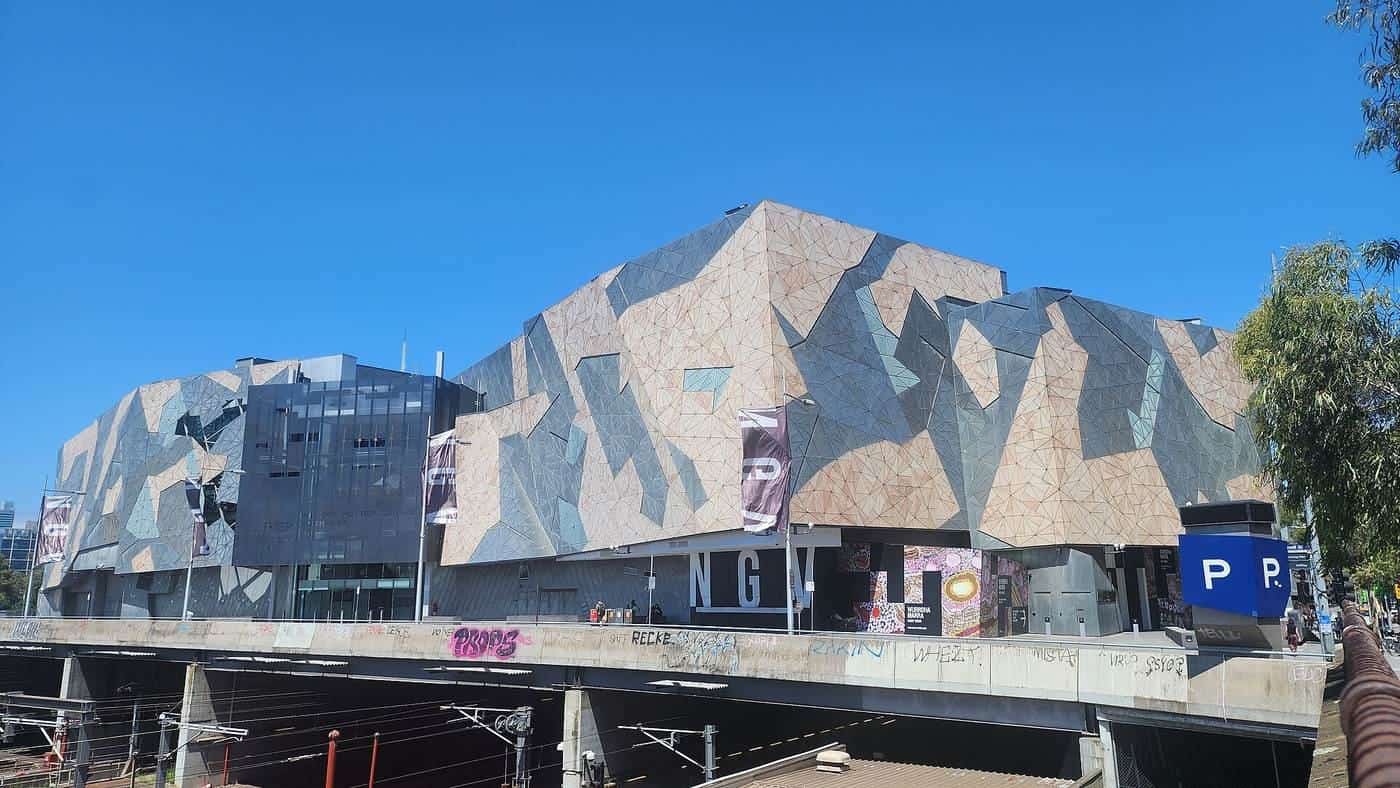
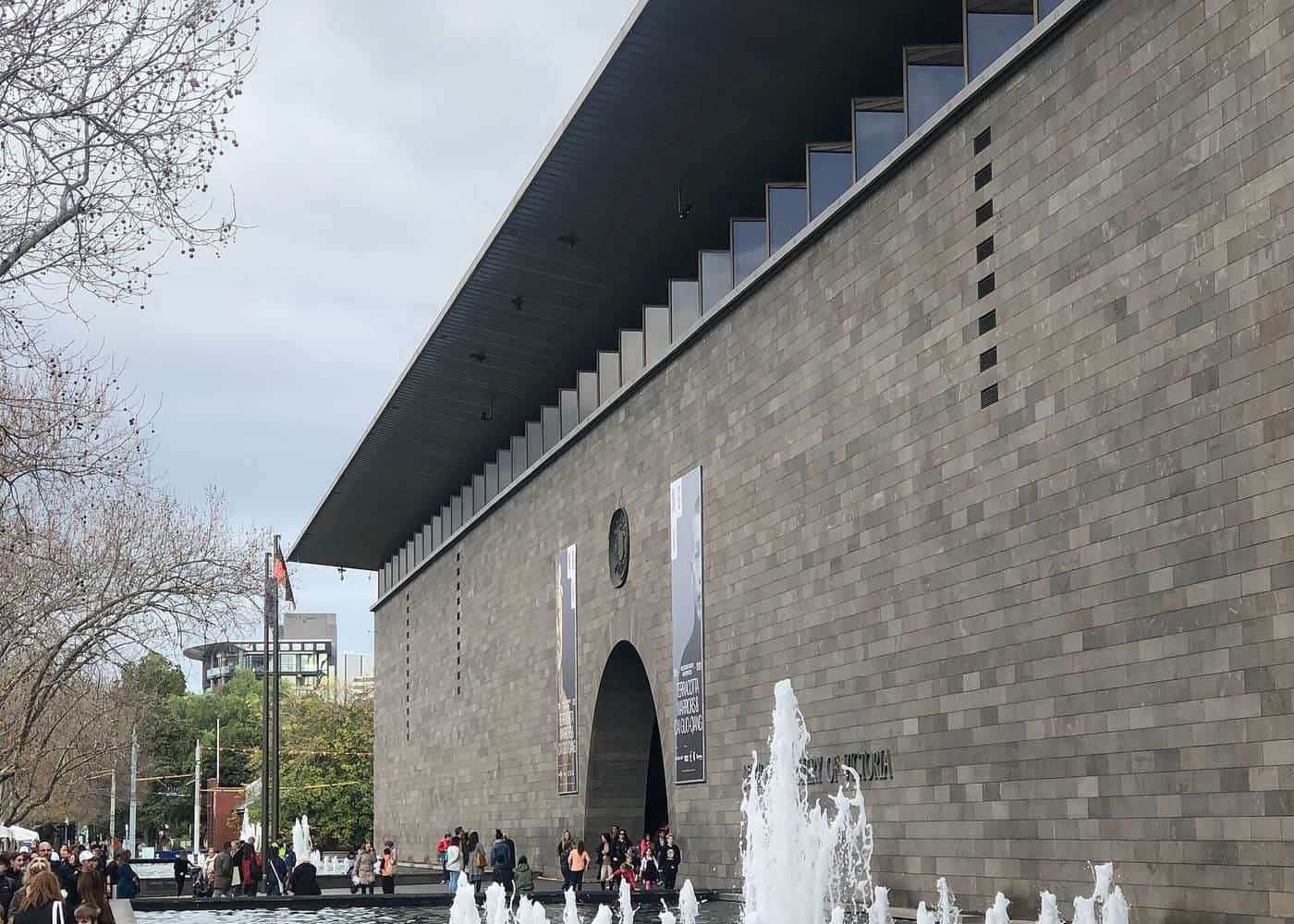
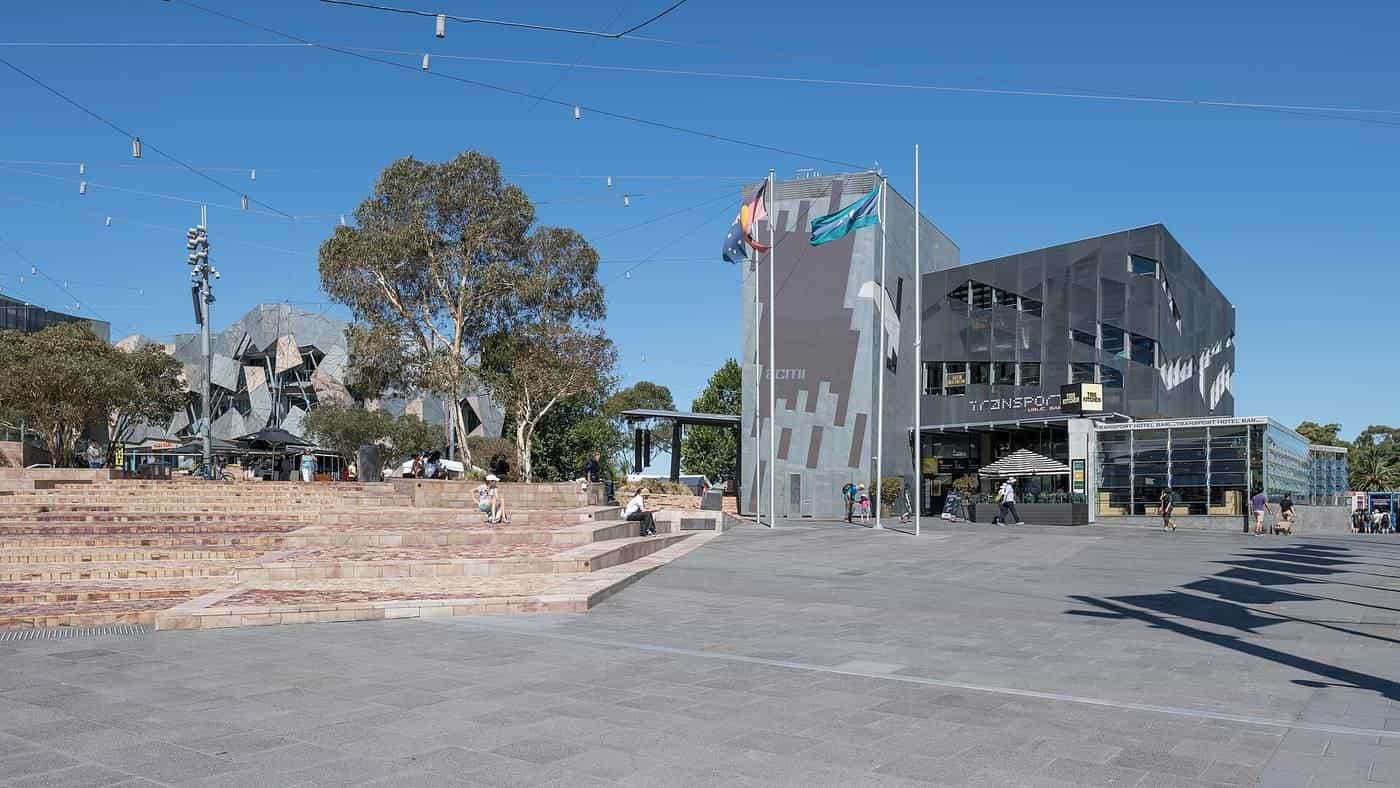
The NGV collects and displays First Nations art from across Australia. The Ian Potter Centre: NGV Australia at Federation Square presents Australian art, including First Nations works, and NGV International sometimes includes First Nations artists in major exhibitions. The NGV says entry to the State Collection is free, with some exhibitions ticketed. Displays change, so check what's on before visiting.
When you visit, look for works by Victorian and south-east Australian artists as well as the better-known painting traditions from central and northern Australia. Historical works and contemporary pieces are often displayed in dialogue with each other.
Other places to look
- Contemporary galleries such as ACCA and university galleries regularly present First Peoples artists in their exhibition programs.
- Commercial galleries in Melbourne represent First Nations artists; some specialise in work from particular art centres.
- Public art across the city includes works by First Peoples artists, including installations and sculptures in parks and public spaces.
- Festivals and events, including those during NAIDOC Week, often feature art, performance and markets.
Check each venue's current program, since exhibitions change frequently.
Engaging respectfully
A few principles help visitors engage respectfully:
- Listen to First Peoples voices. Read labels and texts written by artists and communities, and attend talks and tours led by First Peoples guides where offered.
- Follow cultural guidance. Some works or objects have restrictions on who can view them or on photography. Venues may display warnings, for example that exhibitions include images or names of people who have died.
- Avoid assumptions. There's no single "Aboriginal art" style. Each artist and community has its own culture, history and practice.
- Think about the stories. Many works relate to Country, family, history and law. You may not understand every layer, and that's okay.
Buying First Nations art
If you'd like to buy work, buy ethically. The Indigenous Art Code advises buying from Code signatories, Indigenous-owned art centres or directly from artists. Signatories commit to standards of fair and ethical trade, including not making misleading claims about authenticity or about how artists are paid. The Australian Government's Office for the Arts also publishes advice on buying authentic First Nations art and craft, including asking about the artist, where the work was made and how the artist is paid.
Be wary of products described as "Aboriginal style" that don't name an artist or explain licensing and payment. If you think you've been misled about authenticity, the ACCC is the place to report it. Our guide to buying First Nations art covers this in more detail.
Learning more
If you want to go deeper:
- look for tours or talks by First Peoples guides at museums and galleries;
- read exhibition catalogues and artist statements;
- follow First Peoples-led arts organisations and art centres;
- visit galleries and art centres on Country when you travel.
Contemporary First Peoples artists
First Peoples artists work in every medium, from painting and weaving to photography, video, installation and digital art. Many contemporary artists explore identity, history, Country, language and the ongoing effects of colonisation, often challenging how Australian history has been told. Melbourne's galleries regularly present work by First Peoples artists from Victoria and across Australia, and exhibitions often include talks and events with artists.
Visiting with children
Bunjilaka and the NGV both run programs for young people and families. With children, focus on looking closely, listening to stories in the artists' own words and talking about what they notice. Explain that the stories belong to particular people and places, and that some things are not shared.
Planning a visit
A good first day might combine Bunjilaka at Melbourne Museum in Carlton with The Ian Potter Centre: NGV Australia at Federation Square, with a tram ride in between. Check each venue's opening hours and current exhibitions before you go, and allow time to take in what you see. Our art day planner can help you build a timetable.
Language and names
You'll notice different spellings of community and language names, such as Bunurong and Boon Wurrung. Spellings vary because languages were written down by different people at different times, and communities have their own preferences. Follow the spelling used by the community or venue where you can, and don't worry about getting it perfect; the effort to learn matters.
Acknowledgement in everyday life
You don't need to wait for an event to acknowledge Country. Many people begin talks, meetings or even walks by acknowledging the Traditional Owners of the land they're on. Learning the names of the Traditional Owners where you live and visit is a simple, meaningful place to start.
Key points
- Melbourne is on the lands of the Kulin Nations, including the Wurundjeri Woi-wurrung and Bunurong peoples.
- Bunjilaka at Melbourne Museum is a good starting point for culture and history.
- The NGV displays First Nations art, especially at The Ian Potter Centre: NGV Australia.
- Follow cultural guidance on viewing and photography, and listen to First Peoples voices.
- Buy art from Indigenous Art Code signatories, art centres or directly from artists.
Frequently asked questions
Whose Country is Melbourne on?
Greater Melbourne is on the lands of the peoples of the Kulin Nations, including the Wurundjeri Woi-wurrung and Bunurong (Boon Wurrung) peoples. Many venues acknowledge the Traditional Owners of the land they stand on.
Where can I see First Peoples art in Melbourne?
Options include Bunjilaka Aboriginal Cultural Centre at Melbourne Museum, the First Nations collection at The Ian Potter Centre: NGV Australia, and changing exhibitions at other galleries.
What is Bunjilaka?
The Aboriginal cultural centre at Melbourne Museum, run by Museums Victoria, which presents First Peoples culture, history and art, including the First Peoples exhibition.
How do I buy First Nations art ethically?
Buy from Indigenous-owned art centres, directly from artists, or from dealers who are Indigenous Art Code signatories, and ask about provenance and how the artist is paid.
Can I photograph First Peoples artworks?
Follow each venue’s rules. Some works or objects may have cultural restrictions on images, and venues will advise you.
Sources and further reading
Facts on this page were checked against these primary and official sources. Conditions change — confirm before you travel or buy.
- Bunjilaka Aboriginal Cultural Centre — Museums Victoria
- About the NGV — National Gallery of Victoria
- Indigenous Art Code FAQs — Indigenous Art Code
- How to buy authentic First Nations arts and crafts — Office for the Arts (Australian Government)